

For eligibility, documents, treatment day, cycles, costs and insurance, use our dedicated treatment page.
What Is Lutetium-177 (Lu-177) Targeted Radionuclide Therapy?
Lutetium-177 is a beta-emitting radionuclide used to deliver radiation to selected tumor cells when attached to a targeting molecule. The radiopharmaceutical, not the isotope alone, determines which biological target is addressed.
The first step is to identify the tumor, molecular target and radiopharmaceutical. Lu-177 PSMA and Lu-177 DOTATATE (PRRT) are distinct therapies and are not interchangeable.
PSMA and DOTATATE PET are diagnostic scans. Lu-177 is usually a treatment radiopharmaceutical; post-therapy SPECT imaging may be performed. Clarify the intended service before booking.
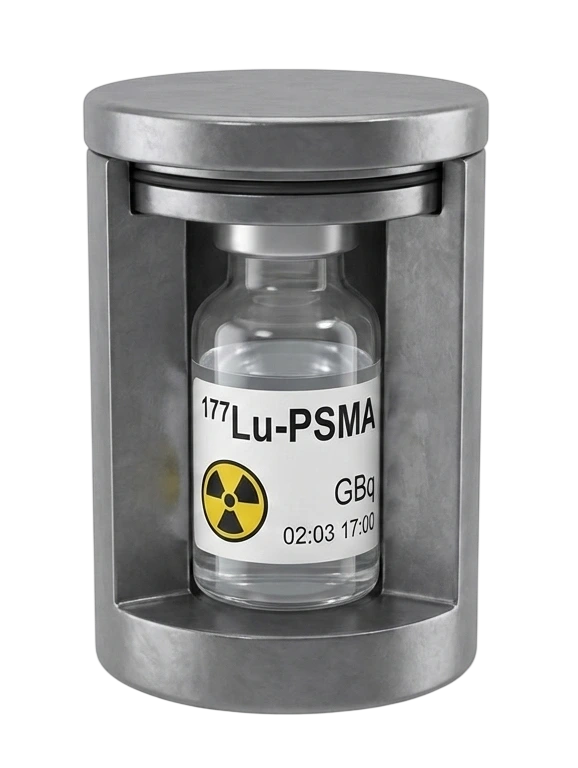
How Does Lutetium Work? The Theranostic Approach
Theranostics combines molecular target imaging with treatment using a radiolabeled targeting agent. Beta emissions may damage target-cell DNA, but nearby healthy tissue can also receive radiation; treatment is not risk-free.
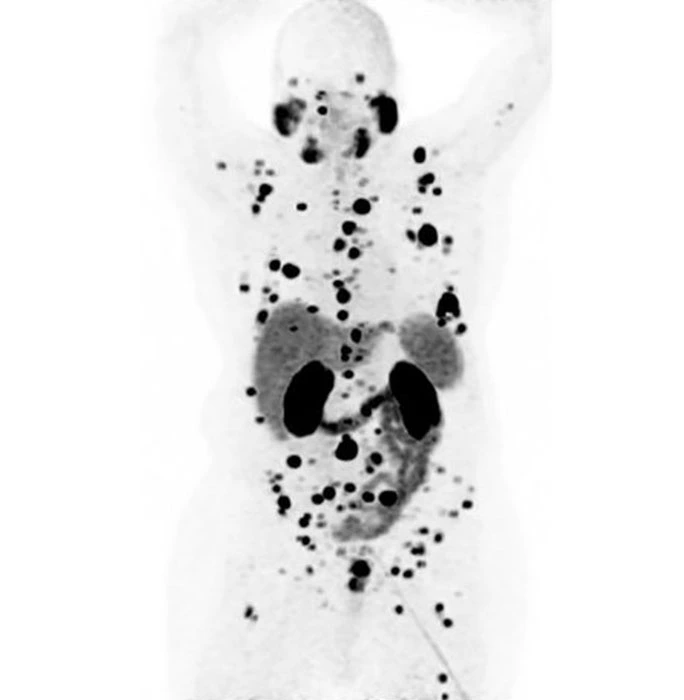
PSMA-PET scan demonstrating widespread metastatic prostate cancer. As a result, the patient received Lu-177 therapy.
Types of Lu-177 Therapy: PSMA and DOTATATE (PRRT)
Targeted radioligand therapy for eligible PSMA-positive metastatic castration-resistant prostate cancer.
Peptide receptor radionuclide therapy for selected SSTR-positive gastroenteropancreatic neuroendocrine tumors.
A distinct PSMA-targeted compound evaluated in research and certain settings; regulatory status varies.
Other investigational targets should not be confused with standard approved therapies.
Who May Be Eligible for Lutetium-177 Therapy?
For Lu-177 PSMA-617, PSMA PET positivity, mCRPC status, previous therapy, blood counts and kidney function are assessed. The US FDA expanded the indication in March 2025 for selected patients who may delay taxane chemotherapy, but approvals and reimbursement differ by jurisdiction.
For Lu-177 DOTATATE, SSTR expression and tumor type are key. FDA-approved indications include eligible patients aged 12 and above with SSTR-positive GEP-NETs; national indications may differ.
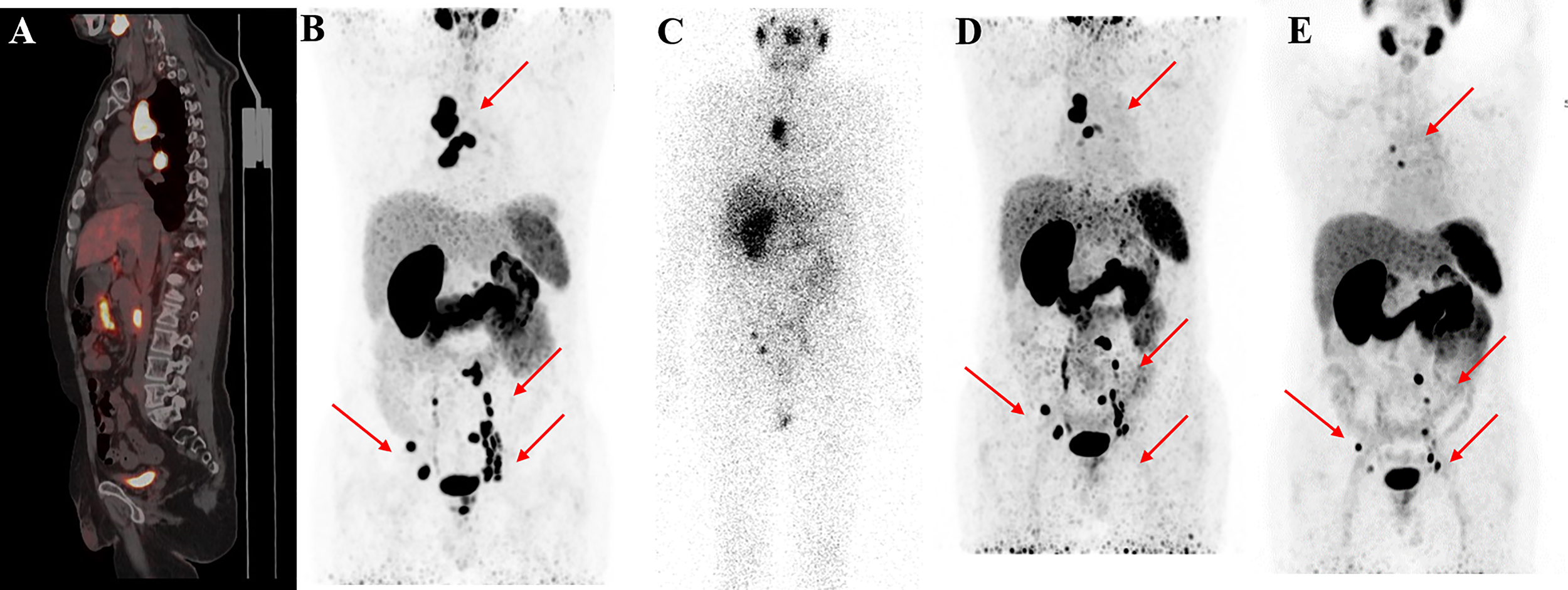
68Ga-PSMA-11 PET/CT in a 55-year-old patient who underwent four cycles of 177Lu-PSMA-I&T therapy. Baseline images (A, B) of multiple lymph node metastases in the right subclavian area, mediastinum, retroperitoneum, and pelvis. Post-therapy image (C) showing higher 177Lu-PSMA-I&T aggregation in primary and metastatic lesions. 68Ga-PSMA PET/CT after the first cycle (D) and after the third cycle (E) showing multiple decreased or disappeared metastases.
Lutetium Treatment Versus PSMA PET/CT
| Procedure | Primary purpose | Method |
|---|---|---|
| PSMA PET/CT | Image PSMA expression and disease distribution | Diagnostic tracer such as Ga-68/F-18 PSMA |
| Lu-177 PSMA therapy | Deliver therapeutic radiation | Lu-177 PSMA radiopharmaceutical |
| DOTATATE PET | Image somatostatin receptor expression | Diagnostic SSTR-targeted PET tracer |
| Lu-177 DOTATATE PRRT | Treat selected neuroendocrine tumors | Lu-177 somatostatin analogue |
| Post-therapy SPECT | Check post-treatment distribution | Imaging Lu-177 gamma emissions |
Potential Benefits and Limitations
In eligible patients, Lu-177 PSMA may delay progression, improve survival and relieve some symptoms. Clinical trial averages cannot predict individual outcomes.
Treatment response depends on tumor biology, burden, prior treatments and organ reserve; published rates are not individual guarantees.
Preparing for Lu-177: Tests and Precautions
Hemoglobin, white cells and platelets help assess marrow reserve.
Creatinine/eGFR and appropriate liver tests inform safety and hydration.
Fasting, antiemetics and amino acid infusions vary by product and protocol.
Ask about escort, household contacts, hygiene and discharge rules.
Disclose chemotherapy, radiotherapy, hormonal agents and prior radionuclides.
Do not stop medicines on your own. Lu-177 DOTATATE often includes a special amino acid infusion for renal protection, while Lu-177 PSMA has a different protocol.
How Is Lu-177 Treatment Performed?
- 1Multidisciplinary assessmentReview disease, PET imaging and prior therapies.
- 2Safety preparationCheck blood tests, IV access, radiation instructions and consent.
- 3AdministrationQualified nuclear medicine staff deliver the prescribed radiopharmaceutical.
- 4Observation and dischargeHydration, urination, symptoms and radiation levels are checked as required.
- 5Follow-up and next cycleLaboratory tests and response guide subsequent cycles.
Duration and Treatment Cycles
An approved Lu-177 PSMA-617 schedule is typically up to six doses every six weeks; Lu-177 DOTATATE may involve four doses every eight weeks. Total visit and release time differ by protocol and radiation safety rules.
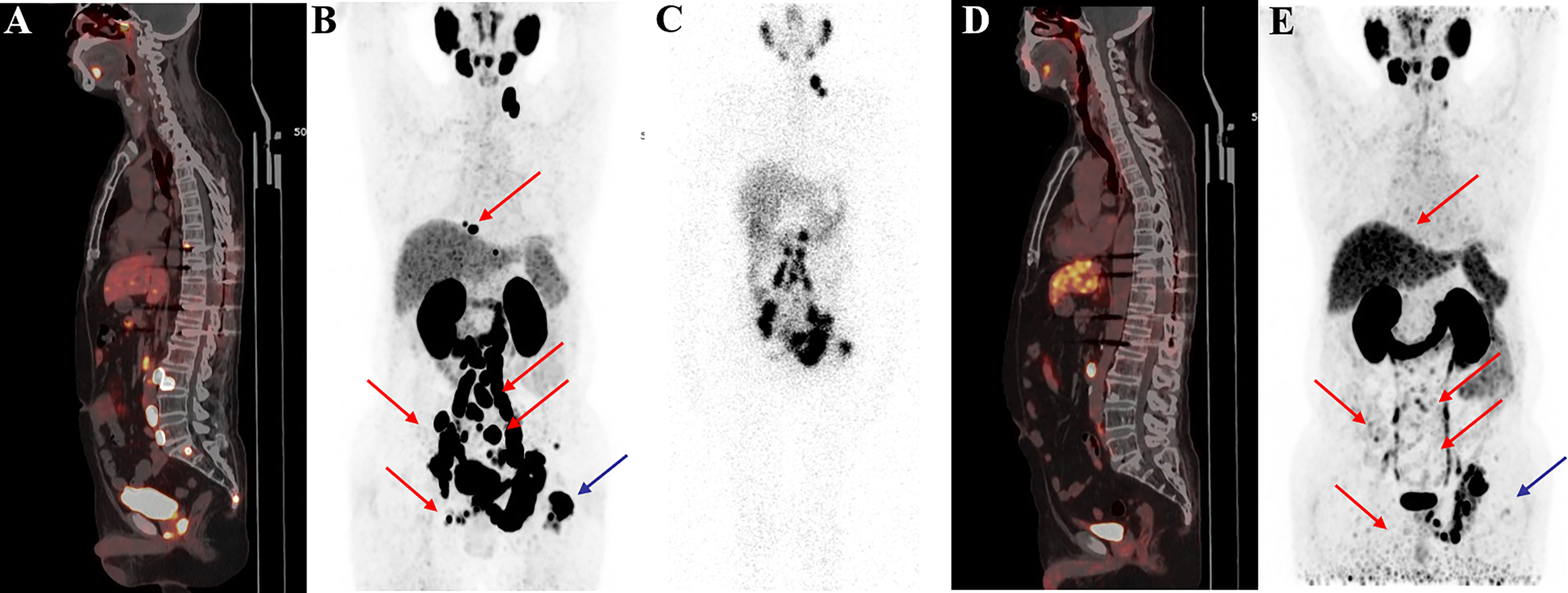
68Ga-PSMA-11 PET/CT in a 62-year-old patient with mCRPC. Baseline images (A, B) of multiple bone and lymph node metastases with increased PSMA expression. Post-therapy image (C) showing high 177Lu-PSMA-I&T aggregation in primary and metastatic lesions. Post-treatment image (D, E) showing multiple osteogenic metastases and reduced PSMA expression compared with before therapy. Metastatic foci in the left clavicle, abdominal aorta, and bilateral iliac paravascular lymph nodes were significantly reduced and PSMA expression was decreased, suggesting that the treatment was effective.
Risks, Side Effects and Safety
Targeted does not mean harmless. Fatigue, nausea and sometimes dry mouth may occur, while clinically important risks include myelosuppression and renal toxicity. Frequencies vary by product and population.
| Concern | Signs and monitoring | Action |
|---|---|---|
| Bone marrow | Anemia, infection, bruising or bleeding | CBC monitoring; seek medical review for fever/bleeding |
| Kidney | Reduced urine, rising creatinine | Monitor renal tests and appropriate hydration |
| Salivary glands | Dry mouth, taste changes | Report symptoms and follow oral care guidance |
| Gastrointestinal | Nausea, vomiting, constipation, appetite loss | Medical team manages supportive treatment |
| Radiation safety | Contact, excretion and household hygiene | Follow individualized written instructions |
Seek urgent medical care for high fever, persistent bleeding, fainting, severe breathlessness or marked decrease in urine output.
After Lu-177: Hydration, Hygiene and Contact
After therapy, hydration, frequent voiding, hygiene and temporary limits on close contact may be recommended. Exact durations depend on product, activity, measurements and local regulations; follow the written discharge sheet.
Discuss shared toilets, laundry, child care, travel and returning to work with the treating team instead of guessing fixed intervals.
How Is Treatment Response Monitored?
Immediate post-treatment imaging may show tracer distribution, but meaningful treatment response is assessed over subsequent weeks and cycles with symptoms, labs and appropriate imaging.
Comparing Lu-177, Chemotherapy, Radiotherapy and Actinium-225
| Method | Mechanism | Key consideration |
|---|---|---|
| Lu-177 PSMA / PRRT | Systemic target-binding radiopharmaceutical | Requires molecular imaging and organ assessment |
| Chemotherapy | Systemic cytotoxic therapy | Different indications and toxicity |
| External beam radiotherapy | Radiation directed from outside the body | Often local/regional treatment |
| Ac-225 targeted agent | Alpha-emitting targeted approach | Not uniformly approved or available |
What Are Alternative Treatments?
Alternatives depend on the disease and may include hormonal treatment, chemotherapy, biomarker-selected targeted drugs, radiotherapy, other radiopharmaceuticals or NET-specific therapies.
Where to Obtain Lutetium Treatment in Ankara
Lu-177 requires an authorized nuclear medicine facility with suitable radiation safety infrastructure. Contact Anka Sağlık Hizmetleri for an inquiry, but verify the actual treatment facility, product availability and specialist before traveling.
Patients traveling from nearby provinces should confirm file review, scans, accommodation, escort needs, cycles and radiation precautions before departure.
Lu-177 Cost, Insurance and Reimbursement in Ankara
Costs depend on product, cycle count, imaging, laboratory tests, facility and admission requirements. Request a verified itemized quote and confirm insurance coverage.
Lu-177 Treatment Inquiry in Ankara
Share your clinical referral, pathology, treatment history and relevant scans to request information about eligibility and location.
Frequently Asked Questions About Lutetium Therapy
What is lutetium-177?
Lutetium-177 is a beta-emitting radionuclide used in targeted radiopharmaceutical therapies. It delivers radiation to cells that express the target recognized by the attached molecule.
Is lutetium therapy chemotherapy?
No. Lu-177 therapy is targeted radioligand or radionuclide treatment, not conventional cytotoxic chemotherapy.
What is a lutetium PET scan?
The phrase can be misleading: PSMA PET or DOTATATE PET images the target before treatment; Lu-177 is mainly the treatment isotope. Post-therapy SPECT or gamma camera imaging may be performed.
Which cancer is treated with Lu-177 PSMA?
It can treat selected patients with PSMA-positive metastatic castration-resistant prostate cancer. Regulatory indications vary between countries.
Can lutetium treat neuroendocrine tumors?
Yes. Lu-177 DOTATATE is used for selected somatostatin receptor-positive gastroenteropancreatic neuroendocrine tumors as PRRT; it is not the same medicine as Lu-177 PSMA.
How do Lu-177 PSMA and DOTATATE differ?
Both carry Lu-177 but target different receptors: PSMA on selected prostate cancers and somatostatin receptors on certain neuroendocrine tumors.
Does lutetium therapy cure cancer?
It is not a guaranteed cure. It may improve disease control or symptoms, with outcomes varying by tumor biology and treatment history.
Is PSMA PET required before treatment?
Suitable PSMA PET imaging is important to confirm target expression before PSMA radioligand therapy. The treatment team chooses the appropriate test.
How are DOTATATE PET and PRRT related?
Somatostatin receptor PET can help show whether a tumor is target-positive for PRRT; PET imaging itself is not the treatment.
How is Lu-177 administered?
An authorized nuclear medicine team administers the radiopharmaceutical intravenously with radiation safety measures. Preparation and monitoring depend on the product.
Does Lu-177 administration hurt?
There may be a brief needle sting. The infusion itself is generally not painful like surgery, but symptoms should be reported.
How many hours does treatment take?
Infusion time differs from the full visit. Product, hydration, observation and local radiation discharge rules determine the total duration.
How many Lu-177 cycles are given?
A common approved Lu-177 PSMA-617 regimen is up to six doses at six-week intervals. Lu-177 DOTATATE has a different four-dose, eight-week regimen. Plans are individualized.
Is fasting required before Lu-177 therapy?
There is no single fasting rule for every product. Follow the specific nuclear medicine facility instructions.
What blood tests are needed?
Blood count, kidney function and sometimes liver tests are commonly reviewed, with additional tests based on medical history.
Can people with kidney disease receive Lu-177?
Kidney function and product matter. Reduced function may increase risk and requires careful individualized assessment.
Can treatment proceed with low blood counts?
Anemia or low platelets/white cells can require delaying, adjusting or withholding treatment, depending on severity.
What are common side effects?
Fatigue, nausea, dry mouth, appetite changes and low blood counts can occur. Serious marrow and kidney toxicity are also possible.
Can Lu-177 affect the kidneys?
Kidney toxicity is a potential risk. Renal function is checked before and during follow-up.
Why does dry mouth occur?
Some PSMA-targeted agents also accumulate in salivary glands, potentially causing dry mouth or taste changes.
Will I emit radiation after treatment?
There may temporarily be external radiation and contamination risk from bodily fluids. Follow written distance, time and hygiene instructions.
How long should I avoid close contact with children?
Duration depends on product, administered activity, measurements and local rules. Follow individualized radiation safety instructions.
Is hospital admission necessary?
Treatment can be outpatient in some settings, while isolation or admission may be required elsewhere under local rules.
Should I drink extra water afterward?
Hydration and frequent urination are commonly advised, but fluid restrictions must be respected in heart or kidney disease.
Are special toilet precautions needed?
Yes. Because radioactivity can be excreted in urine, follow the hygiene and cleaning instructions supplied by radiation safety staff.
Can I drive after treatment?
Some patients may drive if they had no sedation or impairing symptoms; verify with the team.
Can I fly after treatment?
Radiation detectors may react temporarily. Inform your team about travel and obtain documentation when appropriate.
What symptoms need urgent assessment?
Fever, shortness of breath, uncontrolled bleeding, marked decrease in urine, fainting or severe deterioration requires urgent assessment.
How is treatment response assessed?
Response is assessed using PSA, laboratory tests, symptoms and appropriate imaging rather than any single result.
Is PET imaging performed after treatment?
Follow-up may include PSMA PET/CT, CT, MRI or other scans; immediate post-therapy imaging may instead use SPECT.
When will treatment results be known?
Unlike a laboratory test, response unfolds over multiple cycles and is assessed by tests, symptoms and scans.
Does a PSA drop guarantee success?
A PSA decline may be encouraging but is not sufficient alone; imaging and clinical findings also matter.
Can Lu-177 cause hair loss?
Hair thinning or loss can occur in some patients but is not universal; previous therapies may contribute.
Can fertility be affected?
Radiopharmaceuticals may affect fertility. Discuss family planning and contraception duration with your team and the product information.
Is Lu-177 PSMA the same as external radiotherapy?
No. Lu-177 is systemic targeted radiopharmaceutical therapy, whereas external beam radiation is delivered from a machine outside the body.
How does Lu-177 differ from actinium-225?
Lu-177 emits beta particles and Ac-225 alpha particles. Evidence, safety, access and regulatory status differ.
Is Lu-177 used for every prostate cancer?
No. Eligibility depends on disease stage, prior treatments, PSMA PET findings, organ function and local approval.
Is Lu-177 routine in early prostate cancer?
It is not routine first-line treatment for early localized prostate cancer. Research uses should be distinguished from approved indications.
Can Lu-177 be used before chemotherapy?
In March 2025 the US FDA expanded the indication for selected PSMA-positive mCRPC patients suitable for delaying taxane chemotherapy. This does not automatically apply in other countries.
Which tumors can receive Lu-177 DOTATATE?
It is used for certain somatostatin receptor-positive gastroenteropancreatic neuroendocrine tumors, not all cancers.
Why are amino acids given during PRRT?
Lu-177 DOTATATE protocols use amino acid solutions to reduce renal radiation exposure; this is not the same as every Lu-177 PSMA protocol.
What is the difference between Lu-177 and PSMA PET?
PSMA PET is diagnostic imaging while Lu-177 PSMA delivers therapeutic radiation to the target; they are distinct procedures.
What are alternatives to Lu-177?
Alternatives may include hormonal agents, chemotherapy, radiotherapy, targeted drugs or other radiopharmaceuticals depending on disease.
Where is Lu-177 therapy performed in Ankara?
Lu-177 is administered in appropriately authorized nuclear medicine facilities. Contact Anka Sağlık Hizmetleri for information and confirm actual availability and location before travel.
How much does lutetium therapy cost in Ankara?
Costs depend on product, cycles, imaging, laboratory testing, admission and insurance. Obtain a verified written quote.
Does insurance cover Lu-177?
Coverage depends on local policy, indication, facility agreements and insurance. Verify authorization in advance.
Can patients travel from outside Ankara?
Before traveling from surrounding provinces, confirm medical review, appointment availability, lodging, escort needs and radiation safety requirements.
What records are needed for assessment?
Pathology, treatment history, laboratory results, relevant PET imaging and medication list may be requested.
Can I stay in the same home as children afterward?
Household arrangements depend on personalized radiation discharge instructions; there is no universal yes/no rule.
What should I do about serious side effects?
Contact the treating facility, and seek emergency help for severe breathing difficulty, bleeding or altered consciousness.
What is the physical half-life of Lu-177?
Lu-177 has a physical half-life of about 6.65 days; biological clearance varies by patient and product.
Do all patients have the same outcome?
No. Target expression, tumor burden, prior therapy, marrow/renal reserve and clinical condition influence outcomes.
International Clinical Sources
- The University of Chicago Medical Center
- National Library Of Medicine
- Food and Drug Administration
- Turkish Society of Nuclear Medicine
- Nanjing Medical University
- FDA — Pluvicto 2025 indication update
- FDA — Lutetium Lu-177 DOTATATE for GEP-NETs
- EANM/SNMMI — 177Lu-PSMA radioligand guideline
- EMA — Pluvicto product information
- DailyMed — Lutathera product instructions
- RadiologyInfo (ACR/RSNA) — Nuclear Medicine
This educational page is not individualized advice. A qualified nuclear medicine specialist must determine treatment suitability and radiation precautions; physician review is required before publication.