

This page explains the scientific and technical foundations. For records, appointments, treatment schedules, cost and insurance, see our separate treatment-journey guide.
What Is Radiotherapy?
Radiotherapy uses high-energy ionizing radiation or selected radioactive sources to damage cancer-cell DNA. External-beam treatment is usually planned by a radiation oncologist to target a specific region; the biological effect evolves over time.
Radiotherapy is a treatment rather than a diagnostic scan. Planning CT, MRI and PET/CT may be used before treatment. Although this page sits under the site’s nuclear medicine menu, external beam and brachytherapy are generally radiation-oncology services.
Why Is Radiotherapy Given? Curative, Adjuvant and Palliative Goals
Depending on the goal, radiotherapy may be definitive, neoadjuvant (before surgery), adjuvant (after surgery), combined with chemotherapy or palliative to relieve symptoms such as pain or bleeding.
Dose and goals depend on tumor type, stage, anatomy, previous treatments and patient preferences. No single approach is best for everyone.
What Conditions and Cancers Can Radiotherapy Treat?
It may be used for breast, prostate, lung, head and neck, brain, cervical, uterine, rectal, skin and selected lymphoma cases, and for certain benign conditions with stereotactic techniques.
Suitability depends not just on the diagnosis but on pathology, stage, prior exposure and nearby critical organs.
Types of Radiotherapy: IMRT, VMAT, IGRT, SBRT and Brachytherapy
External beam treatment sends radiation from a machine. IMRT shapes beam intensity, VMAT modulates dose during rotation, IGRT verifies positioning with images, and SRS/SBRT uses precisely targeted doses over fewer sessions.
Brachytherapy positions a source in or near the tumor. Systemic radionuclide therapies (such as Lu-177) administer a radioactive medicine; indications and precautions differ.
| Technique | Main feature |
|---|---|
| 3D conformal | CT-based conformal planning |
| IMRT / VMAT | Intensity modulation / arc-based delivery |
| IGRT | Imaging-based positioning checks |
| SRS / SBRT | Selected targets, fewer precise fractions |
| Brachytherapy | Radiation source placed in or near a target |
| Proton therapy | Different dose distribution in selected cases |
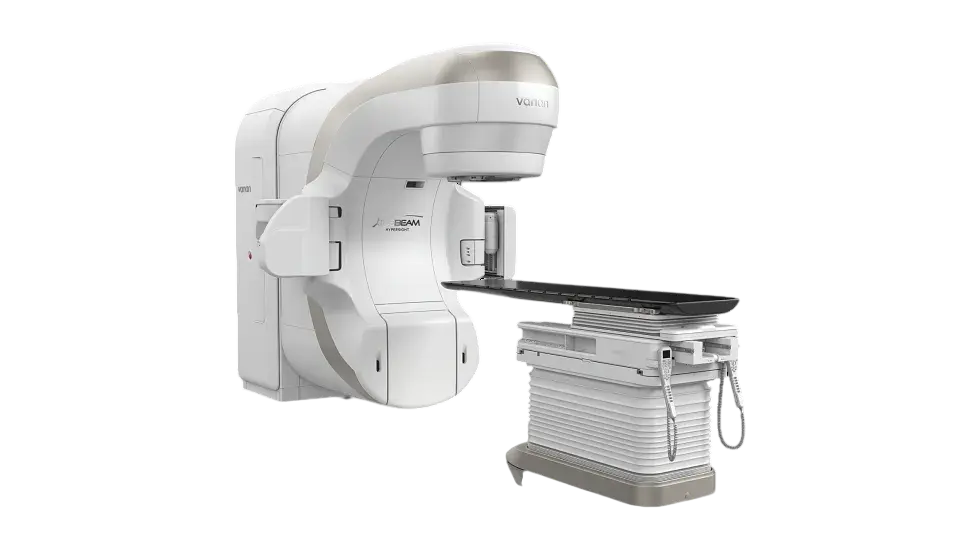
What Does a Linear Accelerator Look Like?
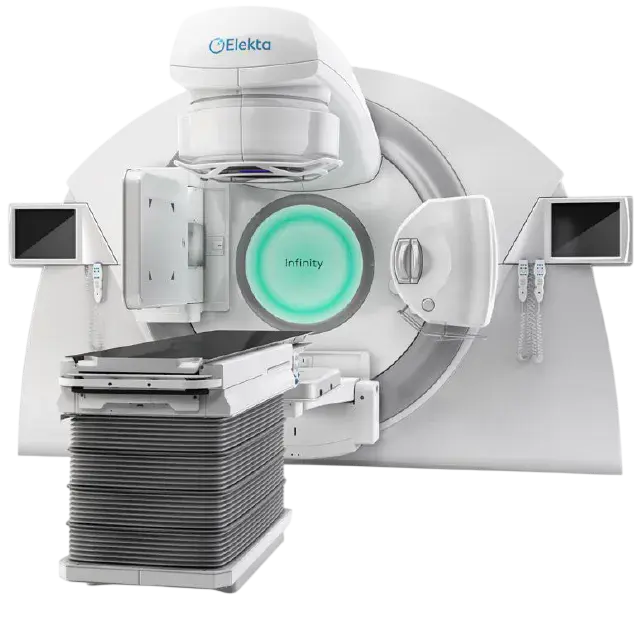
A modern linear accelerator is a large machine that can move around a treatment couch. Equipment, beam type and imaging depend on the plan. A product photo is not proof that a particular center owns it.
Planning Radiotherapy: Simulation, Masks and Dose
The oncologist and medical physics team outline targets and organs at risk on planning CT, sometimes incorporating MRI or PET/CT, then calculate dose and perform quality checks.
Masks, vacuum supports and bladder/rectum protocols may be used depending on the site; selected chest or upper abdominal targets need breathing management.
- 1.Consultation
Discuss diagnosis, stage, prior treatments and goals.
- 2.Simulation
Planning CT and immobilization.
- 3.Contouring
Define targets and organs at risk.
- 4.Dose planning
Calculate prescribed dose and beam directions.
- 5.Quality assurance
Check and verify the plan.
- 6.Treatment and follow-up
Deliver treatment and monitor side effects.
Before Radiotherapy: Food, Medicines and Testing
Bring pathology, surgical and imaging reports, your medication list and records of previous irradiation. Disclose pregnancy possibility, implants and relevant illnesses.
Fasting, bladder filling, bowel preparation and skin products vary by plan. Follow written instructions and do not stop medicines yourself.
How Does a Radiotherapy Session Work?
After identity and plan checks, you are positioned, imaging may confirm alignment, and staff deliver beams from the control area while monitoring by camera and intercom.
External beam delivery is usually painless and does not make the person radioactive afterward. Internal or systemic approaches require different precautions.
How Long Does Radiation Treatment Take?
Visits generally last minutes to tens of minutes including setup. A course may range from one treatment to weeks. Five days weekly is common but not universal.
Hypofractionation, SBRT and palliative protocols may involve fewer fractions, depending on disease and dose constraints.
Radiotherapy Side Effects and Long-Term Risks
Fatigue and skin changes are possible. Head/neck treatment may affect swallowing, thoracic therapy may affect breathing, and abdominal/pelvic radiation may cause bowel or urinary symptoms.
Late effects can include fibrosis, organ dysfunction and rare longer-term complications. Risk depends on dose, area, age and combined treatments.
| Treatment region | Possible effects |
|---|---|
| Breast / chest | Skin changes, fatigue; sometimes lung effects |
| Head and neck | Dry mouth, swallowing difficulty, altered taste |
| Abdomen / pelvis | Diarrhea, urinary and bowel symptoms |
| Brain | Edema, fatigue, local hair loss |
After Radiotherapy: Skin, Activity and Safety
Be gentle with the treated skin, avoid irritation and discuss topical products with your team. Rest, nutrition and appropriate light activity may help fatigue.
After external beam treatment you do not emit radiation to others; if you received brachytherapy or radioactive medicines, follow specific discharge rules.
When Does Radiotherapy Work? Follow-up and Imaging
Cancer cells may continue dying for weeks or months after treatment. There is no single day when a result appears; imaging and visits depend on the disease.
Early scans can show treatment-related inflammation or swelling; interpret them alongside prior imaging, examination and labs.
Radiotherapy vs Chemotherapy, Surgery and Lu-177
Radiotherapy often treats a local area, chemotherapy uses systemic drugs, surgery removes tissue, and Lu-177 radioligand therapy delivers a radioisotope using targeted molecules.
MRI, CT and PET/CT are imaging examinations used for diagnosis or planning, unlike therapeutic irradiation.
| Method | Key difference |
|---|---|
| External beam | Localized radiation; outpatient sessions |
| Brachytherapy | Source placed in or near target |
| Chemotherapy | Often systemic drug treatment |
| Surgery | Physical removal of tissue/tumor |
| Lu-177 radioligand | Targeted systemic radiopharmaceutical |
Alternatives and Treatments Used Together
Options can include surgery, systemic drugs, active surveillance, stereotactic techniques or brachytherapy, depending on cancer stage and goals.
Re-irradiation can be possible for selected people, but requires careful review of previous doses and organ tolerance.
Where Is Radiotherapy Performed in Ankara?
Radiotherapy in Ankara should be delivered by licensed radiation-oncology centers with specialist and medical physics support. Anka Sağlık Hizmetleri can receive enquiries, but confirm the actual provider, equipment and clinician.
Travelers from nearby provinces should consider repeated visits, transport and accommodation when planning treatment.
Who is the radiation oncologist? Which licensed center and technique? Does the quote include simulation and insurance? How many visits? Avoid assuming facility or price without confirmation.
Radiotherapy Prices and Insurance in Ankara
Costs depend on technique, planning, fractions, facility and insurance authorization; a universal fixed price would be misleading.
Ask whether consultations, simulation, all fractions, image guidance, checks and related services are included in a quote.
Frequently Asked Questions About Radiotherapy
What is radiotherapy?
Radiotherapy uses high-energy ionizing radiation to damage cancer-cell DNA and stop or slow growth. A radiation oncologist directs the plan.
Are radiotherapy and radiation treatment the same?
Yes. Both names describe the same broad treatment approach.
Where is radiotherapy available in Ankara?
Radiotherapy is planned and delivered in licensed radiation-oncology facilities. You may request information through Anka Sağlık Hizmetleri; confirm the actual site, equipment and clinician first.
Which cancers are treated with radiotherapy?
It may be used in breast, prostate, lung, head and neck, brain, cervical, rectal and other cancers depending on stage and treatment goals.
Can radiotherapy cure cancer?
It may aim to cure selected localized cancers, alone or combined with other treatments; advanced disease may require disease control or symptom relief. There is no guaranteed outcome.
Why is radiotherapy used?
It may shrink a tumor before surgery, reduce recurrence risk afterward, offer definitive treatment or relieve pain, bleeding and pressure symptoms.
What types of radiotherapy exist?
Approaches include external beam, internal brachytherapy and certain systemic radionuclide treatments. External techniques include IMRT, VMAT, IGRT and SRS/SBRT.
What is IMRT?
Intensity-modulated radiotherapy shapes the dose by varying beam intensity; it is not required in every case.
What is VMAT?
Volumetric modulated arc therapy adjusts the beam during gantry rotation to deliver a planned external radiation dose.
What is image-guided radiotherapy (IGRT)?
IGRT uses imaging before or during treatment to verify patient and target positioning.
What is SBRT or stereotactic radiotherapy?
SBRT precisely delivers larger doses over relatively few sessions to selected body tumors. Suitability depends on target size and nearby organs.
Is Gamma Knife an operation?
Despite its name, Gamma Knife is stereotactic radiosurgery for selected brain targets, not open surgery.
What is brachytherapy?
Brachytherapy places a radioactive source in or near the target, temporarily or permanently; it may be used for cervical, prostate and selected other cancers.
Is proton therapy always better?
No. Proton beams may help in selected anatomies, but superiority and availability are not universal.
Are external radiotherapy and nuclear medicine treatments the same?
No. External beam therapy directs radiation from outside the body; systemic radionuclide therapy uses administered radioactive pharmaceuticals such as Lu-177.
Is radiotherapy chemotherapy?
No. Radiotherapy commonly targets a local region with beams, while chemotherapy medicines can act systemically. They may be combined.
How is radiotherapy delivered?
After consultation and simulation, targets are outlined, dose is planned, and the patient is positioned while the machine delivers treatment.
Why is a planning CT needed?
A planning CT helps locate targets and organs at risk and calculate dose for many external-beam treatments.
Do I need a mask during radiotherapy?
A fitted thermoplastic mask may be used for head and neck or brain targets; it is not needed for every patient.
How long is a radiotherapy session?
An appointment may take several minutes to tens of minutes including setup and imaging; SRS/SBRT may take longer.
How many days or weeks does treatment last?
Courses range from one session to several weeks; five sessions weekly is common, but hypofractionated and stereotactic schedules may be shorter.
Does radiation hurt during delivery?
The external radiation beam is generally not felt, although positioning or underlying disease may cause discomfort.
Must I fast before radiotherapy?
Fasting is not universal. Abdominal/pelvic preparation, sedation, brachytherapy or special imaging may require tailored instructions.
Must the bladder be full or bowel empty?
Some pelvic plans use bladder filling and bowel/rectal preparation. Follow the exact center-specific protocol.
What tests are done before radiotherapy?
The team reviews pathology, medical history and scans; CT, MRI, PET/CT, blood tests or other assessments may be requested.
Am I radioactive after external beam treatment?
No. External beam radiotherapy does not make you radioactive. Radiation precautions may differ after implants or radionuclide therapy.
What are the side effects of radiotherapy?
Possible effects include tiredness, skin changes in the treated area, and site-specific swallowing, bowel, bladder or breathing symptoms.
Does radiotherapy cause hair loss?
Hair loss generally occurs in the treated field, not throughout the body. Persistence depends on dose and site.
Can radiotherapy damage the skin?
Skin in the treatment field may change color, become dry or sore. Seek treatment-team advice on skin products.
Can radiotherapy have late side effects?
Yes. Late effects may develop months or years later, such as fibrosis, organ changes or rarely a second cancer; risk depends on dose and field.
What should I eat after radiotherapy?
Diet advice depends on the treated region and swallowing or bowel issues; a dietitian may help if intake is inadequate.
Can I work during radiotherapy?
Some people continue working, while fatigue and appointments may require schedule adjustments.
Can I shower during or after radiotherapy?
Gentle washing is often possible, but follow local instructions for sore skin, dressings or brachytherapy sites.
Do side effects stop immediately?
Not always. Some symptoms briefly worsen before improving over weeks; late effects need longer follow-up.
When will radiation treatment results be known?
There is no same-day test result. Response is assessed over time with clinical review and appropriate imaging.
When is the first follow-up?
Follow-up timing depends on cancer type, other treatments and adverse effects; there is no single universal schedule.
Does a tumor shrink immediately?
Radiation effects evolve over time; imaging changes may take weeks or months to appear.
Can radiotherapy be combined with other treatments?
Yes. It may be sequenced or combined with surgery, chemotherapy, hormonal, immune or targeted therapies according to a multidisciplinary plan.
How do doctors choose surgery versus radiotherapy?
Choice depends on tumor type, stage, location, risks, health and preferences; the treatments are not always interchangeable.
Can proton or Gamma Knife replace radiotherapy?
Proton treatment and Gamma Knife are forms of radiation therapy for selected indications, not universal replacements.
Can radiation therapy be repeated?
Re-irradiation can be considered in selected cases, depending on prior dose, organ tolerances and disease status.
Does radiotherapy spread cancer?
Radiotherapy is intended to control cancer, not spread it. Progression can occur due to tumor biology and requires clinical reassessment.
How much does radiotherapy cost in Ankara?
Costs depend on technique, fractions, planning, center and insurance. Request an itemized current estimate rather than relying on an unverified price.
Does insurance cover radiotherapy?
Coverage depends on indication, contracts and policy; confirm preauthorization and any charges.
Can patients travel from nearby cities?
Patients traveling from Eskişehir, Kırıkkale, Çankırı, Konya, Kırşehir or Bolu should confirm the facility and plan repeated appointments, transport and lodging.
Does the machine brand guarantee results?
No. Indication, planning quality, QA, trained staff and follow-up matter. Illustrative brand images are not proof of equipment at a particular facility.
Who decides whether radiotherapy is appropriate?
A radiation oncologist considers pathology, imaging, stage and multidisciplinary review.
What if I miss a session?
Contact your treatment team promptly; do not change the schedule yourself. Management depends on the protocol.
Is radiotherapy possible during pregnancy?
Pregnancy or possible pregnancy must be disclosed. Experts assess fetal exposure and timing and consider alternatives where appropriate.
Can children receive radiotherapy?
It can be used for selected childhood cancers with specialist planning because of growth and late-effect concerns.
Do patients need breath-hold techniques?
Breath-hold or respiratory tracking may be used for selected left breast and thoracic/abdominal cases; not every patient needs it.
Which symptoms need urgent attention?
Seek urgent medical help for severe breathlessness, uncontrolled bleeding, chest pain, confusion or rapid deterioration.
References and International Guidance
- National Cancer Institute
- American Cancer Society
- British Institute of Radiology
- International Atomic Energy Agency
- Irish Cancer Society
- Worldwide Cancer Research
- NCI – Radiation Therapy for Cancer
- NCI – External Beam Radiation Therapy
- NCI – Radiation Therapy Side Effects
- NCI – Brachytherapy
- RadiologyInfo ACR/RSNA – IGRT
- RadiologyInfo ACR/RSNA – SRS and SBRT
- NHS – Radiotherapy
- NHS – Side Effects
This educational page is not personalized treatment advice. A qualified radiation oncologist must determine the technique and number of sessions.