
What Is MRI (Emar), and How Does It Work?
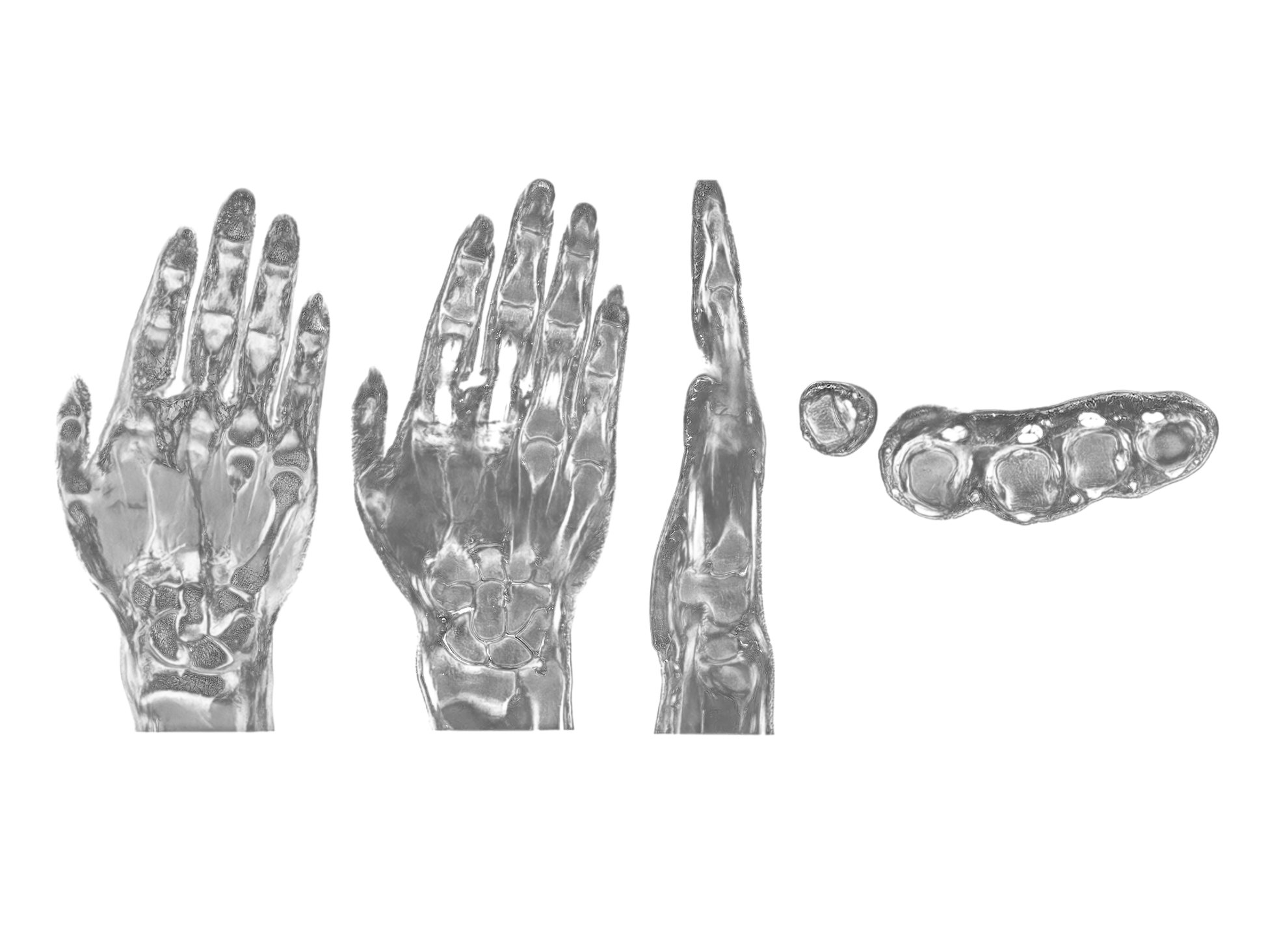
Magnetic resonance imaging uses a static magnetic field, radiofrequency pulses, gradient fields and computation to form multiplanar images. Signals from hydrogen nuclei in water and fat are detected. Unlike x-ray and CT, MRI does not use ionizing radiation.
MRI depicts the brain, spinal cord, soft tissues, ligaments and selected internal organs. The right protocol depends on the clinical question, examination and prior images. Having an MRI does not itself imply a diagnosis.
Which Conditions and Symptoms Can MRI Evaluate?
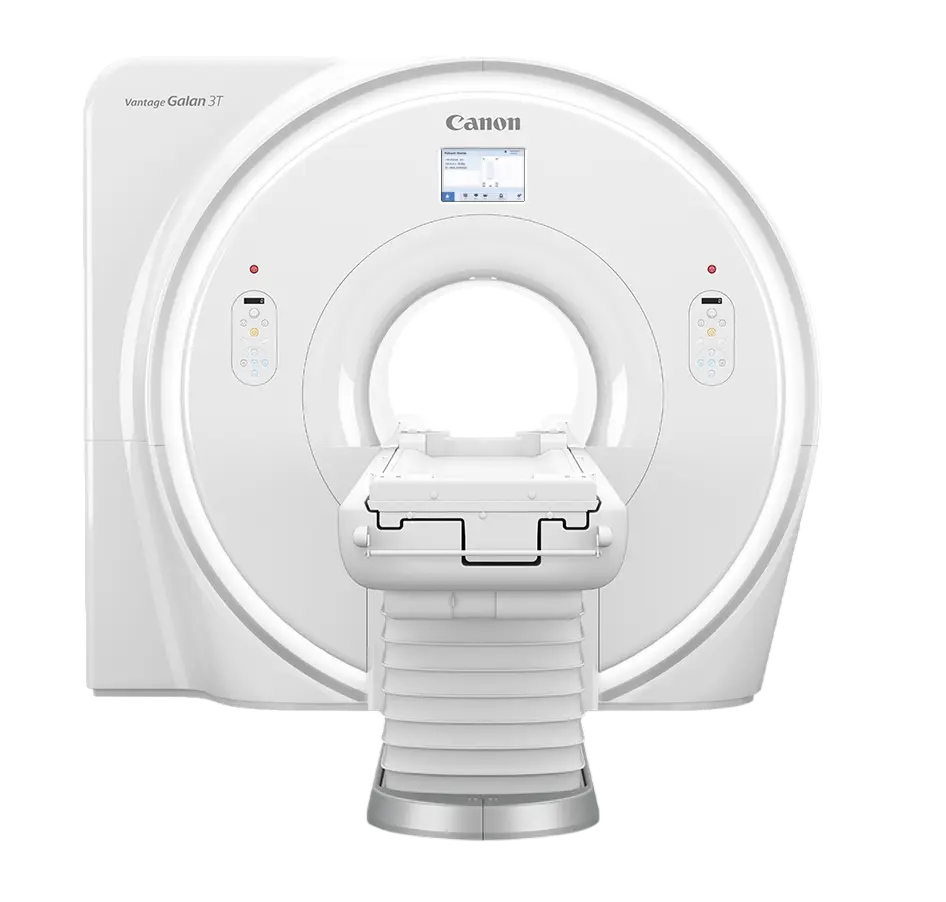
MRI may help assess tissue anatomy, vessels and selected functional characteristics, but ultrasound, CT or other tests may be preferable in particular settings.

MRI Types: Brain, Spine, Knee, Shoulder, Heart and More
MRI exams vary by anatomy, field strength, coil, sequences, contrast and the clinical goal. Confirm the exact study listed on the referral.
| Examination | Clinical focus | Preparation note |
|---|---|---|
| Brain / pituitary MRI | Brain and pituitary structures | Contrast depends on protocol |
| Cervical / lumbar MRI | Spine, discs, nerve roots | Usually no fasting |
| Knee / shoulder / wrist MRI | Ligaments, menisci, tendons, cartilage | Report implants and motion limits |
| Abdominal / liver MRI | Liver, pancreas, bile ducts | Fasting or special preparation may be needed |
| MR cholangiopancreatography | Biliary and pancreatic ducts | Protocol-specific fasting may apply |
| Pelvic / prostate MRI | Pelvis and prostate | Confirm bladder/bowel instructions |
| Breast MRI | Selected breast problems and risk screening | Contrast and timing may matter |
| Cardiac MRI | Function, viability, scar | Dedicated monitoring and protocols |
| MRA / MRV | Arterial or venous assessment | Can be with or without contrast |
| DWI / perfusion / fMRI / DTI | Advanced clinical techniques | Not routinely available everywhere |
Open vs Closed MRI and 1.5T vs 3T
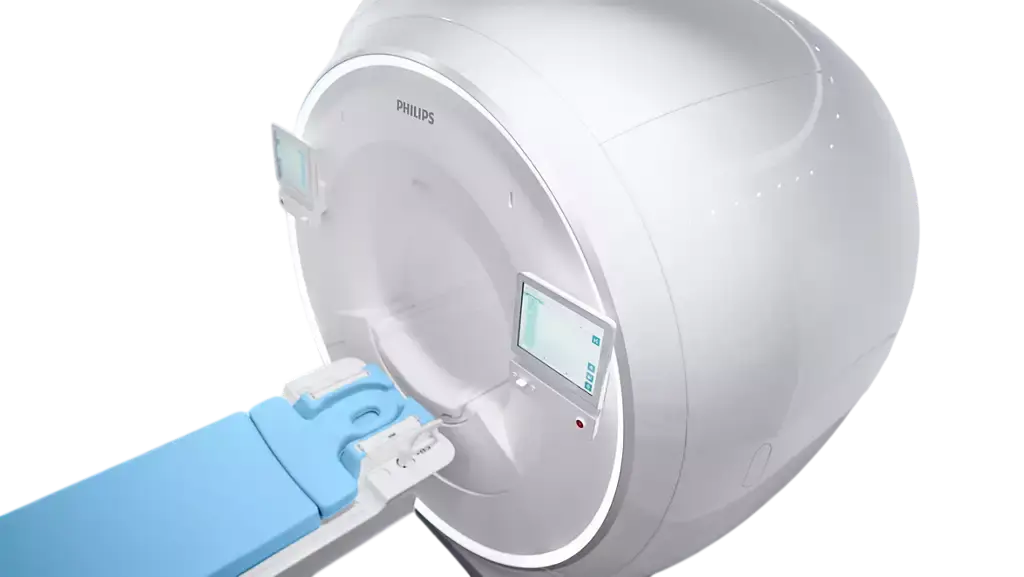
Tesla measures magnetic field strength. A 3T system can improve detail in selected protocols, while 1.5T may be preferred for implants, artifacts or specific examinations. Open and closed describe geometry, not field strength.
MRI Safety: Implants, Pacemakers, Metal, Heating and Noise
Everyone and everything entering the MRI environment must be screened. Ferromagnetic objects may become projectiles, and implants or leads may heat or malfunction. MR Safe, MR Conditional and MR Unsafe are defined safety labels; an MR Conditional device is safe only under specified conditions.
Bring your implant card and operation details and disclose metallic injuries. Do not enter the scanning area before clearance.
Contrast-Enhanced MRI: Gadolinium and Kidney Function
Some studies use intravenous gadolinium-based contrast to characterize vessels, masses or inflammation. Many routine brain, joint and lumbar studies are noncontrast; the clinical indication determines whether contrast is necessary.
Report prior contrast reactions, kidney disease, dialysis, transplant or pregnancy. Nephrogenic systemic fibrosis is a rare concern in severe renal dysfunction, especially related to agent selection. Screening and agent choice must be individualized.
MRI in Pregnancy and Breastfeeding
Noncontrast MRI may be performed when clinically indicated during pregnancy; a blanket first-trimester prohibition is inaccurate. Ultrasound may be preferred for some questions. Gadolinium is generally avoided in pregnancy unless essential.
Tell the team if you are breastfeeding. Routine breastfeeding interruption after standard gadolinium is generally not required by current radiology guidance, but discuss agent-specific advice.
Preparing for MRI: Food, Clothing, Medicines and Documents
Preparation differs by protocol. Many brain, spine and joint scans do not require fasting, while abdominal imaging, MR enterography or sedation may. Follow instructions from the actual imaging facility.
How Is MRI Performed? Step by Step
- 1Referral and safety checksConfirm implant, allergy, pregnancy and body region.
- 2Preparation and positioningChange clothing, receive hearing protection and lie on table.
- 3Image acquisitionSequences are acquired using coils while remaining still.
- 4Contrast if neededSome protocols involve intravenous contrast.
- 5Image review and reportRadiologist reviews imaging and prepares a report.
Clicking and thumping are normal scanner sounds. You can speak with the team using the intercom and use the call button; short breath-holds may be requested.
MRI Duration and When Sedation Is Used
Many MRI scans take around 15–45 minutes, while complex studies or multiple regions may take longer. Sedation may be considered for claustrophobia, motion intolerance or children. It changes fasting, escort and discharge instructions.
After MRI: Contrast, Sedation and Normal Activities
Most patients without sedation resume normal activities. Seek care for significant rash, breathing difficulty or progressive swelling after contrast. After sedation, do not drive and follow discharge instructions.
MRI Report Timing and Interpretation
Images are recorded electronically at the examination, but turnaround varies with the facility and complexity. The referring clinician should interpret the report alongside symptoms and examination.
Terms such as lesion, degeneration, protrusion, edema or cyst are descriptive, not a standalone diagnosis. Follow-up, additional imaging or pathology may be appropriate.
MRI vs CT, Ultrasound and PET/CT
| Method | Technology | When useful? |
|---|---|---|
| MRI | Magnetic and RF fields; no ionizing rays | Brain, spine and many soft tissues |
| CT | X-rays; ionizing radiation | Emergency, lung, bone and fast imaging |
| Ultrasound | High-frequency sound | Flow, superficial structures, pregnancy and procedures |
| PET/CT | Radiotracer plus CT | Selected molecular and oncology questions |
Where to Get MRI in Ankara: Prices and Appointments
MRI is performed in appropriately authorized hospitals and imaging centers in Ankara. Anka Sağlık Hizmetleri can receive information and appointment inquiries. Verify the actual scanning location, exam and scanner availability, reporting clinician and delivery process.
Fees vary by the body region, contrast, reporting and provider agreements. Confirm public or private insurance arrangements before booking; no unverified prices or appointments are published here.
Patients traveling from nearby provinces should verify the location, preparation and reporting to avoid unnecessary travel.
MRI Information and Appointment Request in Ankara
Share the exact MRI referral, contrast requirements and prior imaging to request information.
Contact / appointment inquiry →☎ 0538 350 74 45Frequently Asked Questions About MRI
What is MRI?
MRI uses a magnetic field, varying magnetic fields and radio waves to obtain cross-sectional images without ionizing X-rays.
Why is an MRI requested in Ankara?
It may help evaluate the brain, spine, joints, abdomen, pelvis, vessels or selected tumors and guide diagnosis or monitoring.
Are MRI and “emar” the same?
Yes. “Emar” is the colloquial Turkish pronunciation of MR/MRI, not a different test.
How long does MRI take?
Many exams take 15–45 minutes; complex, multiple-region or contrast studies can take an hour or longer, apart from preparation.
Is MRI painful?
The scan is usually painless, though positioning, staying still, IV access and loud scanner noise may be uncomfortable.
Does MRI use radiation?
MRI does not use ionizing X-rays, but magnetic and radiofrequency fields demand specific safety precautions.
Can MRI diagnose every disease with certainty?
No. Findings may be occult or nonspecific, and other tests may be required according to the clinical question.
Why is brain MRI performed?
Brain MRI may assess selected neurologic symptoms, MS, epilepsy, tumors and pituitary concerns; not every headache needs MRI.
What do lumbar and cervical MRI show?
They image discs, nerve roots, spinal cord, marrow and soft tissues; findings must be correlated with symptoms and examination.
What do knee and shoulder MRI assess?
They may evaluate menisci, ligaments, tendons, cartilage, muscles and marrow changes.
What is cardiac MRI for?
Dedicated protocols can assess myocardial function, scar, inflammation and congenital abnormalities in selected patients.
Does breast MRI replace mammography?
Not generally. It can complement mammography and ultrasound in high-risk screening or selected indications.
Can prostate MRI definitively diagnose cancer?
Multiparametric MRI can identify suspicious lesions and guide biopsy, but tissue diagnosis is established by pathology when required.
How do contrast and non-contrast MRI differ?
Contrast MRI uses an injected, usually gadolinium-based agent. It is not needed for every exam; indication and safety are assessed.
Does MRI contrast contain iodine?
Standard gadolinium MRI contrast differs from iodinated CT contrast; any prior contrast reaction should still be disclosed.
Can a patient with kidney disease have contrast MRI?
The decision depends on renal function, contrast agent and diagnostic benefit; it requires individualized radiology assessment.
Can MRI contrast cause allergy?
Allergic-like reactions are uncommon but possible. Disclose previous reactions; do not self-prescribe premedication.
Do I need to fast before MRI?
Fasting is usually unnecessary for many brain, spine and joint MRIs; abdominal, enterography or sedated studies may differ.
Can I drink water before MRI?
Water is often allowed before routine MRI, but sedation and some abdominal or pelvic protocols may require different instructions.
Should medicines be stopped before MRI?
Do not stop medicines on your own; discuss diabetes therapies, pumps, sedatives and individual needs with the team.
Can I undergo MRI with a pacemaker?
Some pacemakers can be scanned under specific MRI conditions after device verification and specialist protocols.
Can MRI be done with plates, screws, prostheses or stents?
Many modern implants can be assessed for MRI, but model-specific conditions must be verified rather than assumed.
Do braces or dental fillings prevent MRI?
Usually not an absolute barrier, but they may distort head or face images. Disclose dental metal.
Are tattoos and permanent makeup risky in MRI?
Certain pigments can rarely cause heating or tingling. Tell the technologist immediately if you feel heat.
What if there may be metal in my eye?
Metal near or within the eye can be hazardous and must be evaluated before MRI, sometimes with additional imaging.
Why is hearing protection used in MRI?
Gradient switching makes loud sounds; appropriate earplugs or headphones protect hearing.
Is heating normal during MRI?
Radiofrequency energy can heat tissue. Report any burning, focal heat or pain using the call button immediately.
Can someone with claustrophobia have MRI?
Preparation, communication, wide-bore/open scanners and clinician-prescribed sedation can help in some cases.
What is the difference between open and closed MRI?
They differ in geometry and sometimes technical capabilities; an open scanner may not support every protocol equally.
What differs between 1.5T and 3T MRI?
3T offers higher magnetic field strength and may aid some protocols; it is not universally superior and device restrictions matter.
Does everyone need 5T MRI?
No. Higher-field systems have specialized uses and limitations; tesla strength alone does not guarantee diagnostic quality.
Can MRI be performed during pregnancy?
Clinically necessary noncontrast MRI may be performed during pregnancy; gadolinium is generally avoided unless essential.
Can MRI with contrast be performed during breastfeeding?
Tell the team you are breastfeeding. Routine interruption is generally not necessary after standard gadolinium; discuss the specific agent.
How is pediatric MRI performed?
Children need tailored safety screening and motion planning; preparation, distraction or sometimes sedation may be needed.
What should I do after MRI?
Without sedation most people resume routine activities, unless specific contrast or procedural advice applies.
Can I drive after MRI sedation?
Do not drive while sedatives may still affect you; follow discharge instructions and arrange an escort.
When are MRI results ready?
Images are recorded promptly but reporting time varies by provider and complexity; no fixed turnaround is guaranteed.
Does “lesion” or “cyst” mean cancer?
No. These are descriptive terms and do not by themselves establish malignancy; imaging and clinical context matter.
How does MRI differ from CT?
MRI uses magnetic fields and radio waves, while CT uses ionizing X-rays. The optimal choice varies with anatomy and urgency.
Is MRI the same as ultrasound?
No. Ultrasound uses sound waves for real-time imaging; MRI uses magnetic and radiofrequency fields for different tissue contrast.
What is the difference between MRI and PET/CT?
MRI provides anatomical and some functional information; PET/CT combines radiotracer-based molecular imaging with CT anatomy.
How much is MRI in Ankara?
Prices vary by body region, contrast, protocol, reporting and coverage. No unverified fixed fee is published.
Does insurance cover MRI?
Coverage depends on referral, authorization, policy and provider contracts; confirm beforehand.
Where can I get an MRI in Ankara?
MRI is available at authorized hospitals and imaging providers. Ask Anka Sağlık Hizmetleri for information and verify the actual facility and scan type.
Can I travel to Ankara for MRI?
Patients traveling from nearby provinces should confirm location, protocol, preparation, escort and reporting.
What should I bring to my MRI?
Bring the referral, previous imaging, implant card, medication list and any requested kidney-function results.
Can multiple MRI exams be done the same day?
Multiple scans may be planned if clinically warranted, with attention to protocol, contrast and duration.
Are there alternatives to MRI?
Ultrasound, CT, radiography, endoscopy or other tests may be more appropriate depending on the clinical question and safety.
How often should MRI be repeated?
There is no universal interval; repeat imaging depends on findings, symptoms, treatment and clinical judgment.
Additional verified MRI safety and preparation sources
- National Institute of Biomedical Imaging and Bioengineering
- National Library Of Medicine
- ScienceDirect Journal
- U.S. National Science Foundation
- Australian Department of Health
- American Cancer Society
- Canadian Cancer Society
- ACR/RSNA — MRI Safety
- ACR/RSNA — Body MRI
- ACR/RSNA — Preparing for MRI
- ACR/RSNA — MRI during Pregnancy
- U.S. FDA — MRI Benefits and Risks