
What Is Open MRI?
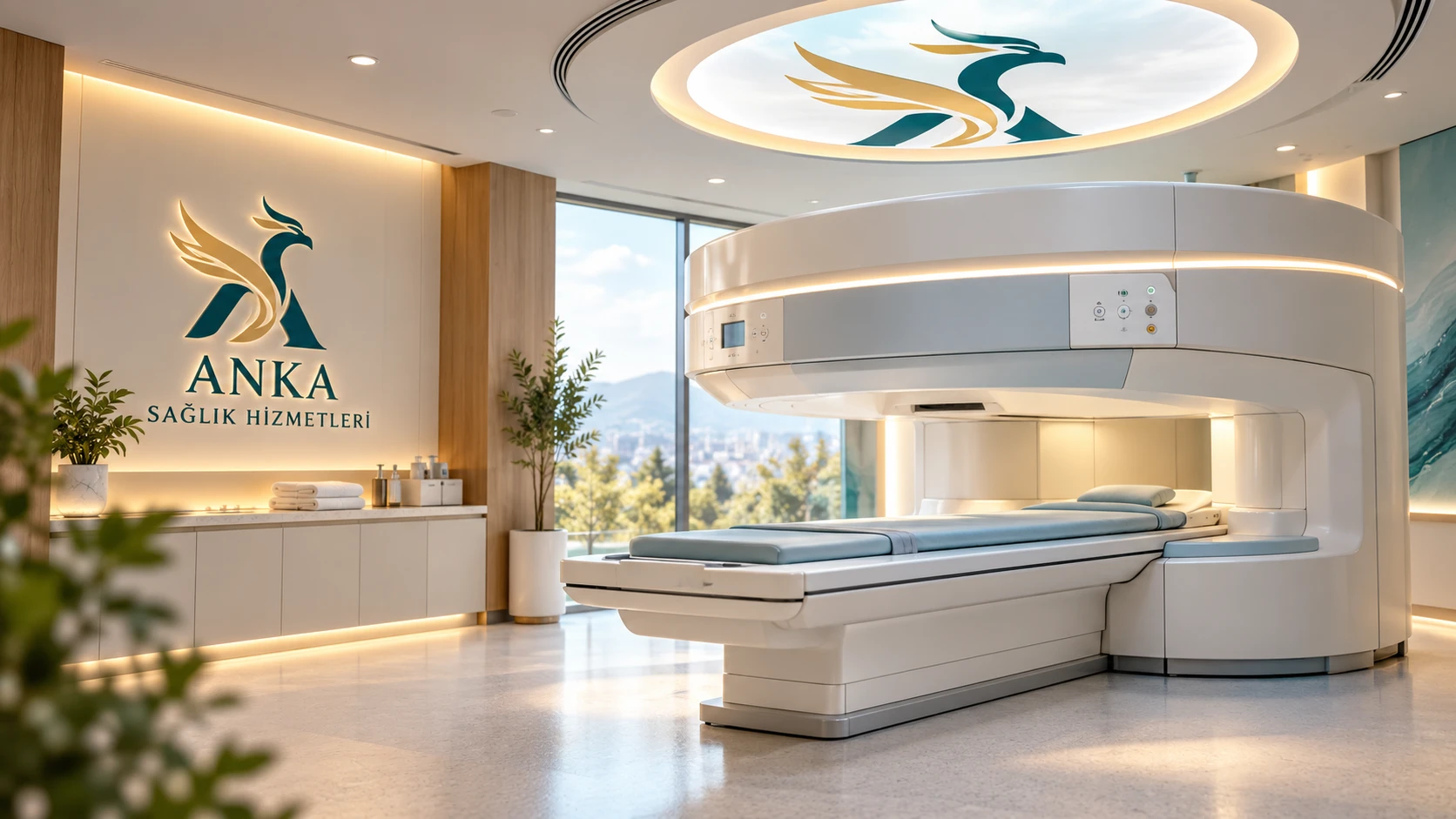
Open MRI is a magnetic resonance imaging system designed to feel less confining. MRI in general uses a strong magnetic field, radio waves and computer processing to create detailed cross-sectional images of the body. Open MRI follows the same principle, but with a design that may reduce the feeling of being enclosed.
Patients considering open MRI commonly ask about claustrophobia, anxiety, the scanner opening and comfort. Before booking, the scanner type, body region, preparation and reporting process should be confirmed.
Open MRI can make MRI more tolerable for people sensitive to enclosed spaces, but whether it is the best option for a specific clinical question depends on the scanner and the body region.
Who Is Open MRI Suitable For?
Even so, not every patient is automatically an open MRI candidate. Depending on the image-quality requirement, target organ or protocol, a 1.5 Tesla or 3 Tesla closed or wide-bore system may be more appropriate. In other words, the answer to “which MRI is better?” depends on the patient, indication and scanner technology.
Open MRI vs Closed MRI
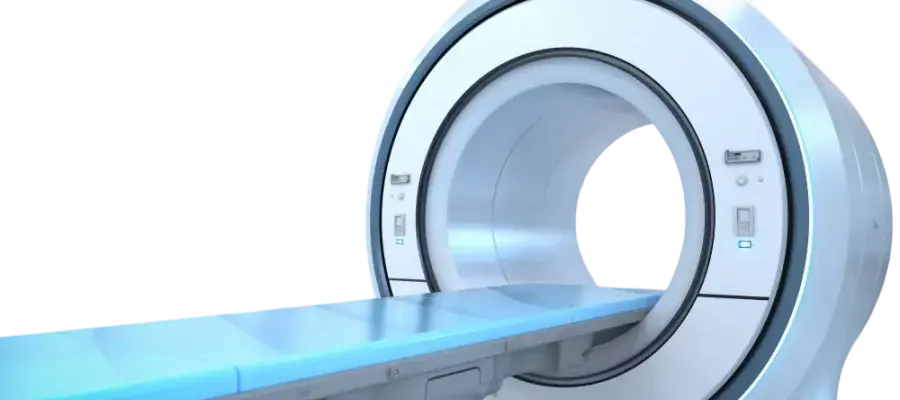
The key difference between open and closed MRI is scanner structure. Closed MRI usually has a tunnel-like opening, whereas open MRI reduces the sense of enclosure. The difference is not only about comfort. Some open systems may operate at a lower field strength, which can influence image quality in certain clinical scenarios. On the other hand, some modern wide-design systems can improve comfort while preserving diagnostic value.
| Comparison point | Open MRI | Closed / conventional MRI |
|---|---|---|
| Patient experience | More open and less confining | Tunnel sensation may be more noticeable |
| Claustrophobia tolerance | Often advantageous | Can be difficult for some patients |
| Image quality | Varies by scanner and protocol | High-resolution options are common in many facilities |
| Suitability for all exams | May not be ideal for every exam | May be preferred for some advanced studies |
What Is Open MRI Used For?
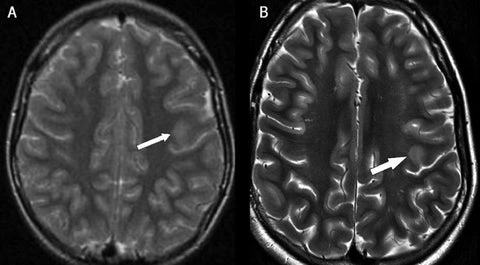
Open MRI may be used for the brain, spine, joints, musculoskeletal system and selected soft-tissue examinations. Searches such as open brain MRI, open knee MRI, open shoulder MRI and open lumbar MRI are among the most common. Whether a given region can be scanned with open MRI depends on the center’s hardware, coils and protocols.
- Brain and neurologic assessments
- Neck, lumbar and spinal studies
- Joint studies such as the knee, shoulder, wrist and ankle
- Assessment of muscles, tendons and ligaments
How Is Open MRI Performed?
- 1Safety screening
Jewelry, watches, cards, hearing aids, pumps, metal implants and similar issues are screened carefully.
- 2Preparation and positioning
The patient is positioned on the table according to the body region, and positioning aids may be used.
- 3Hearing protection
Because MRI can be noisy, hearing protection is provided.
- 4Image acquisition
The patient remains as still as possible. In some studies, brief breath-hold instructions may be needed.
- 5Contrast administration
If necessary, contrast is injected through an IV line and additional sequences are obtained.
- 6After the scan
If no sedation was used, the patient can usually return to routine activities while the reporting process continues.
How Long Does Open MRI Take?
The duration of open MRI depends on the body part, protocol and the use of contrast. A simple joint study may be quicker, while multi-sequence or contrast-enhanced exams may take longer. A practical answer to “how long does open MRI take?” is often 20–45 minutes, excluding preparation and reporting.
Preparation Before Open MRI
Most routine open MRI examinations need little special preparation. However, all metallic items should be removed and any implant or device history must be disclosed. If contrast, sedation or special abdominal or pelvic protocols are planned, the facility may provide additional instructions.
- Bring identification and any previous reports or images if possible.
- Remove jewelry, watches, hairpins, phones, bank cards and metal accessories.
- Report pregnancy concerns, kidney disease or prior contrast history in advance.
- If sedation is planned, you may need a companion and should not drive afterward.
Is Open MRI Safe? Risks and Side Effects
Open MRI has the advantage of not using ionizing radiation. Nevertheless, the MR environment requires strict safety rules because of the strong magnetic field. Pacemakers, cochlear implants, neurostimulators, some aneurysm clips, metallic foreign bodies or implants with unknown MRI status may pose a risk. Safety must be evaluated device by device.
It is incorrect to assume that open MRI does not require implant screening simply because it feels more open. Safety screening remains essential for all MRI systems.
Common discomforts include scanner noise, the need to remain still, anxiety and IV placement when contrast is planned. If contrast is needed, renal function and previous reactions may be reviewed.
What Should Be Considered After Open MRI?
Most people who do not receive sedation can return to daily life after open MRI. If contrast was used, follow the advice given to you. If sedation was used, you may need to avoid driving and postpone important decisions that day. It is also helpful to confirm when the report will be ready.
Three Important Questions Before Booking Open MRI in Ankara
1) Is the target body region technically suitable for open MRI?
2) Will contrast or sedation be needed?
3) What are the scanner opening, table limits and report turnaround time? Clear answers to these questions reduce the risk of booking the wrong exam.
Differences Between Open MRI, 3 Tesla MRI and Wide-Bore MRI
Patients often ask whether open MRI or 3T MRI is better, but these terms are not in the same category. Open MRI refers to scanner design. 3 Tesla MRI refers to field strength. Wide-bore MRI is another design that is not fully open but can feel more comfortable than a classic closed system. Which option is better depends on the clinical goal, image quality requirements and patient tolerance.
Where Can Open MRI Be Performed in Ankara?
For users searching for open MRI in Ankara, the key point is to choose a center that truly has an open MRI scanner and can provide an appropriate protocol for the body region of interest. Not every center offers open MRI. Before booking, it is wise to ask which body part will be scanned, whether the scanner is truly open or simply wide-bore, and whether contrast or sedation will be needed.
When obtaining information through ANKA Health Services, the actual imaging site, scanner model, reporting time and cost should be confirmed before the appointment. For patients traveling from nearby provinces, same-day reporting possibilities, contrast needs and whether a second opinion may be required are especially important.
Open MRI Prices in Ankara
Open MRI prices are not fixed. The body part examined, use of contrast, facility infrastructure, report scope and any additional services can influence the cost. Request a verified quote after the scan protocol and reporting service have been confirmed.
Request Open MRI Information in Ankara
Ask about the body region, whether the scanner is truly open, contrast, reporting and price. Confirm the actual facility and technical suitability before booking.
Contact / Inquiry→ ☎ 0538 350 74 45Frequently Asked Questions About Open MRI
What is open MRI?
Open MRI uses the same MRI principles but with a more open and less confining design. It can improve comfort for people with claustrophobia or those who need a wider opening.
What is the main difference between open and closed MRI?
The main difference is scanner geometry. Open MRI is less confining, while closed MRI is tunnel-like. Image quality and suitability depend on field strength and the body part being examined.
Is open MRI suitable for claustrophobic patients?
Yes, it is often more suitable. However, in severe anxiety, even open MRI may still be difficult, so sedation or alternative scanner options may be considered.
Does open MRI use radiation?
No. Like other MRI examinations, open MRI does not use ionizing radiation.
How long does open MRI take?
Depending on the protocol, many open MRI scans take about 20 to 45 minutes. Contrast-enhanced or multi-region studies may take longer.
Is open MRI painful?
The examination is usually painless, though staying still, scanner noise, positioning, or IV access can be uncomfortable.
When are open MRI results available?
Depending on workflow and complexity, the report may be available the same day or usually within 24–72 hours.
Is contrast used in open MRI?
It can be used for selected examinations. Not every open MRI requires contrast; the decision depends on the clinical question and safety review.
Can open MRI be used in children?
Yes. It may help children who are sensitive to enclosed spaces, although the need for sedation depends on whether the child can remain still.
Is open MRI suitable for obese patients?
It may be advantageous in some patients because of the wider opening. However, each scanner has its own table weight and size limits, so confirmation before the appointment is necessary.
Is open MRI sufficient for every examination?
Not always. For some detailed studies or certain body regions, a closed MRI with a different field strength may be preferred.
Can patients with pacemakers or implants have open MRI?
This depends on the implant type and MRI safety conditions. Safety must be verified for the specific implant; no device should be assumed safe automatically.
Can open MRI be performed during pregnancy?
It may be performed if clinically justified. Indication, timing and the need for contrast should be considered carefully during pregnancy.
Are open MRI prices fixed in Ankara?
No. They vary according to the body region, contrast needs, scanner type, reporting and any additional services.
Is open MRI the same as 3 Tesla MRI?
No. Open MRI describes the scanner design, while 3 Tesla refers to magnetic field strength. They are not the same concept.
Do I need to fast before open MRI?
Usually not for routine scans, but contrast studies, sedation or special abdominal protocols may require different instructions.
Can someone accompany me during open MRI?
This depends on the center’s safety policy. Some facilities may allow a companion after appropriate safety screening.
Is open MRI noisy?
Yes, MRI systems produce noise during image acquisition. The level varies by scanner and protocol, and hearing protection is usually provided.
Can open MRI image the brain, knee or lumbar spine?
Yes, if the proper protocol and scanner are available. Whether a body part can be assessed with open MRI depends on the facility’s technical capabilities.
Can I return to normal activities after open MRI?
If no sedation is used, most people can return to normal activities immediately. If sedation is given, additional precautions such as not driving may apply.
International Sources and Medical References
This page does not replace diagnosis or treatment advice. Suitability for open MRI, use of contrast, scanner selection and appointment planning should always be assessed individually by the clinician and radiology team.