
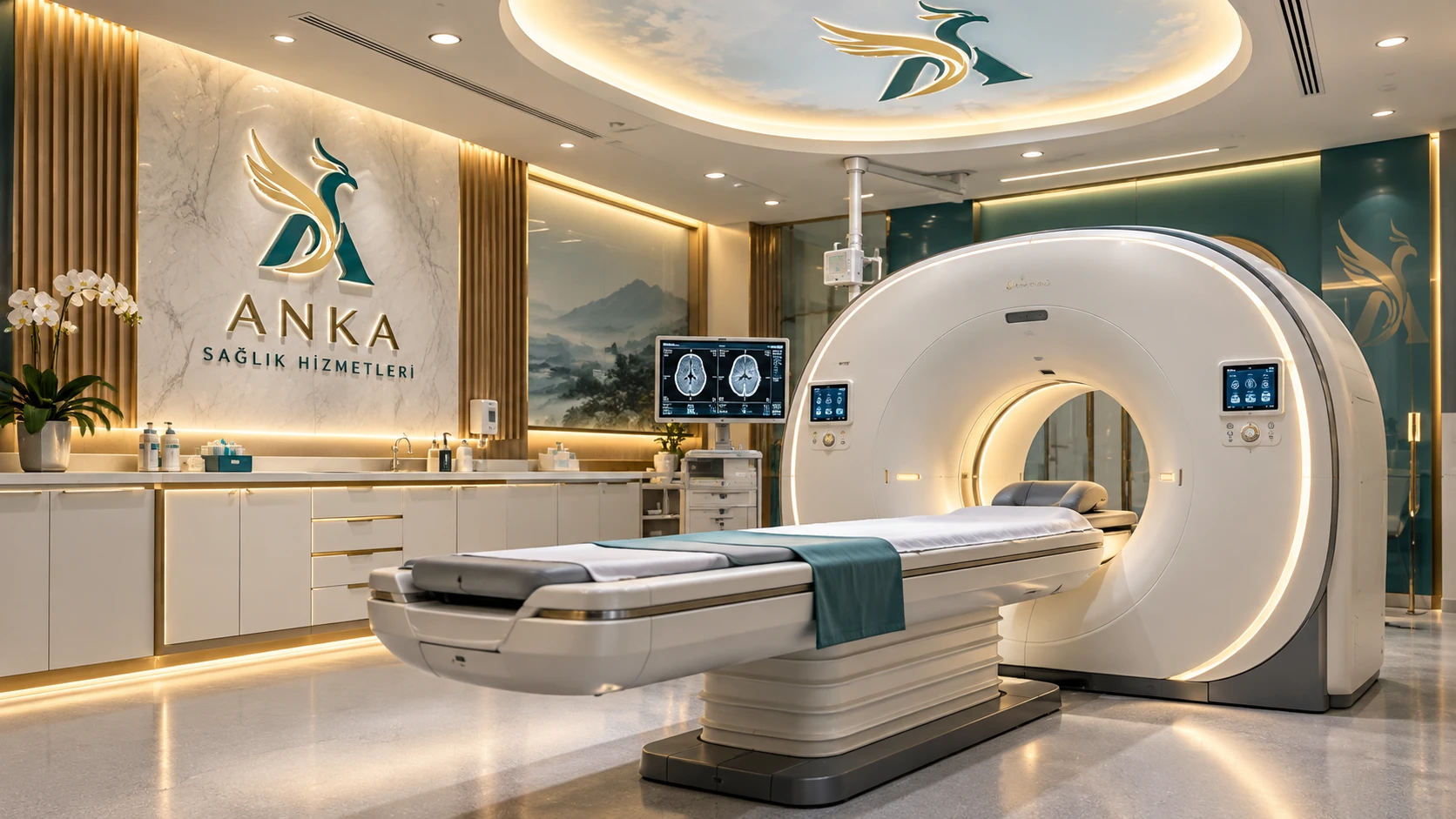
What Is Computed Tomography (CT)?
Computed tomography is a diagnostic imaging method that uses X-rays from multiple angles and reconstructs them into cross-sectional images. In everyday language, “tomography” and “CT” are often used interchangeably. Because it is fast, CT is frequently preferred in urgent clinical settings.
CT is an effective way to rapidly assess internal body structures, but because it uses radiation it should be performed with a valid clinical indication and an appropriate protocol.
Why Is CT Requested and When Is It Used?
CT is particularly useful for bones, lungs and many acute conditions, but it is not always the first-line choice. In some scenarios ultrasound or MRI may be more appropriate, so the need for CT should be defined clinically.
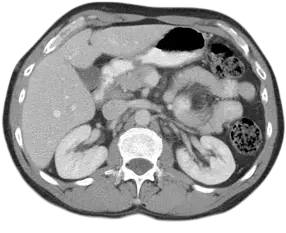
What Are the Main Types of CT?
CT types differ according to the body region, clinical question and the need for contrast. Common examples include brain CT, lung CT, sinus CT, abdominal CT and thoracic CT. Another frequent distinction is contrast-enhanced versus non-contrast CT.
| Examination type | Common use | Note |
|---|---|---|
| Brain CT | Trauma, bleeding, acute neurologic findings | Often used for rapid emergency assessment. |
| Lung / Thorax CT | Lung disease and intrathoracic structures | Contrast protocols may be used when needed. |
| Abdominal CT | Abdominal pain, organ assessment | Fasting and contrast preparation may be needed. |
| Sinus and bone-focused CT | Facial bones, sinuses, trauma | Offers detailed evaluation of osseous structures. |
What Is Contrast-Enhanced CT?
Contrast-enhanced CT is performed with contrast material to better visualize blood vessels, organs or pathologic areas. Although commonly called “medicated CT,” this generally refers to iodinated contrast. Not every CT scan requires contrast; the need depends on the diagnostic goal.
If contrast is planned, kidney function, allergy history, comorbidities and certain medications may be reviewed. This information is important for safety.
How Is CT Performed?
- 1Identity and preparation check
The requested examination is confirmed and any contrast or preparation needs are reviewed.
- 2Positioning
The patient is positioned on the CT table, with supports used as needed for the body region.
- 3Non-contrast or contrast scan
Depending on the protocol, contrast may be given or scanning may proceed directly.
- 4Brief breath-hold instructions
Especially during chest and abdominal scans, you may be asked to hold your breath briefly.
- 5Image acquisition
The table moves through the gantry and images are acquired within seconds.
- 6After the scan
If no sedation is used, most people return to daily life while reporting continues afterward.
Preparation Before CT
Preparation before CT depends on the body region, whether contrast is used and the patient’s health status. Some CT examinations need little preparation, while some abdominal or contrast-enhanced scans may require fasting and laboratory review.
- Bring the referral form and any previous imaging reports if available.
- If contrast is planned, report kidney disease, diabetes, allergies and medication use.
- Always disclose pregnancy or possible pregnancy in advance.
- Follow the facility’s fasting and fluid instructions.
Risks, Side Effects and Radiation in CT
CT involves ionizing radiation, so avoiding unnecessary repeat scans and using appropriate dose protocols are important. The risk-benefit balance deserves extra attention in children, pregnancy and people requiring frequent imaging.
Contrast-enhanced CT is not automatically suitable for everyone. Previous contrast reactions, kidney disease, certain medications and specific clinical conditions should be assessed in advance.
One of the most common concerns involves contrast material. During injection, some people feel a metallic taste, a brief warm sensation or minor IV discomfort. Severe reactions are rare, but breathing difficulty, widespread rash or throat swelling require urgent care.
What Should Be Considered After CT?
Most people can return to normal activities after non-contrast CT. If contrast was used, follow the center’s recommendations. If sedation was used, advice about driving and escort needs may differ. Results should ideally be interpreted together with the referring clinician.
Three Key Questions Before Booking a CT Scan in Ankara
1) Which body region will be scanned and is contrast needed? 2) Are fasting, laboratory tests or special preparation required? 3) When will the report be delivered? These three questions are critical for proper scheduling.
Differences Between CT, MRI, Ultrasound and PET/CT
CT is rapid and especially valuable in bone, lung and acute settings. MRI may be advantageous for selected soft-tissue, neurologic or musculoskeletal questions. Ultrasound is a real-time radiation-free option. PET/CT combines metabolic data with CT anatomy. The best modality depends on the complaint, the diagnostic target and clinical priorities.
Where Can You Get a CT Scan in Ankara?
CT in Ankara may be performed at public and private hospitals or authorized imaging centers. For people searching “CT in Ankara,” the key point is determining which center can perform the requested study with the appropriate equipment and protocol. Device features, contrast capability and reporting workflows may vary by site.
When obtaining information through ANKA Health Services, the actual imaging location, scanner type, contrast requirement, report timing and pricing should be confirmed before booking. Patients traveling from nearby provinces should especially ask about same-day results and additional preparation requirements.
CT Prices in Ankara
CT prices are not fixed. Factors such as body region, contrast use, additional services, provider workflow and report scope influence the cost. For people searching CT prices in Ankara, it is more transparent to explain the factors affecting price than to quote a single universal number.
Request CT Scan Information in Ankara
Ask about the CT protocol, contrast, preparation, actual imaging facility and reporting. Confirm scanner availability, location and fees before booking.
Contact / Inquiry→ ☎ 0538 350 74 45Frequently Asked Questions About CT
What is computed tomography?
Computed tomography (CT) is a fast imaging test that uses X-rays and computer processing to create cross-sectional images of the body.
Are CT and tomography the same thing?
In everyday use, “tomography” commonly refers to computed tomography, or CT.
Why is a CT scan requested?
CT may be requested for emergency assessment, trauma and rapid evaluation of many problems involving the brain, lungs, abdomen, vessels and internal organs.
How long does a CT scan take?
Image acquisition often takes only a few minutes, but preparation, contrast use and pre-scan assessment may extend the total visit.
What is contrast-enhanced CT?
Contrast-enhanced CT is a CT examination performed with iodinated intravenous contrast or, in selected cases, oral contrast for more detailed evaluation.
Does CT use radiation?
Yes. CT involves ionizing radiation, so the decision to perform the test should be based on medical necessity and expected benefit.
Is CT painful?
No, the scan is usually painless. Brief discomfort may occur during IV access or contrast injection.
Do I need to fast before CT?
Not always. For contrast studies or selected abdominal or pelvic protocols, you should follow the facility’s fasting instructions.
Can CT be performed during pregnancy?
Pregnancy or possible pregnancy must always be disclosed. The clinician decides after balancing risk and benefit.
When are CT results ready?
Reporting time varies by workflow, urgency and scan complexity. It may be available the same day or within 24–72 hours.
How does CT differ from MRI?
CT uses X-rays and is fast, while MRI uses a magnetic field and radio waves without ionizing radiation. Which is more suitable depends on the clinical question.
Are CT prices fixed in Ankara?
No. The body region, contrast use, provider model and added services can affect the price.
Can people with kidney disease have contrast CT?
The decision depends on kidney function, the contrast agent and clinical necessity. This history must be disclosed before the scan.
Can I return to normal activity after CT?
If no sedation is used, most people can return to normal life immediately. If contrast or sedation is used, follow the instructions given.
When is brain CT requested?
A clinician may request brain CT for head trauma, suspected bleeding or selected sudden neurological symptoms. Not every headache requires CT.
Are chest CT and lung CT the same?
They are often used similarly. Chest CT assesses the lungs and other thoracic structures, with protocols depending on the clinical question.
What is low-dose lung CT?
Low-dose CT uses a protocol intended to reduce radiation for a specific purpose. Lung cancer screening should be considered only for appropriate risk groups following clinical assessment.
What is coronary CT angiography?
Coronary CT angiography is a dedicated CT examination of the arteries supplying the heart, usually using iodinated IV contrast.
Can CT definitively diagnose cancer?
CT may identify suspicious masses and help assess extent or follow-up, but biopsy and pathology are needed for definitive diagnosis in many situations.
Do metal implants interfere with CT?
Unlike MRI, CT does not use a powerful static magnet. Metal implants may create streak artifacts, so you should still tell the team about them.
Is an IV needed for CT?
Often not for noncontrast CT. An IV line is used when intravenous contrast is planned.
Can contrast CT cause an allergic-like reaction?
Most people tolerate iodinated contrast without serious issues, but allergic-like reactions can occur, rarely severe. Report any previous contrast reaction.
Can CT contrast be given to someone taking metformin?
Metformin use must be disclosed. Whether it needs to be held depends on renal function and clinical circumstances; do not stop it without medical advice.
Can contrast-enhanced CT be done while breastfeeding?
Interrupting breastfeeding after iodinated contrast is usually unnecessary. Discuss your individual case and agent with the radiology team.
Is CT safe for children?
Radiation considerations are especially important in children. CT should be performed when medically justified with a size- and age-appropriate dose protocol.
Will I need to hold my breath during CT?
You may be asked to hold your breath for a few seconds during chest or abdominal CT to reduce motion. Not all CT scans require it.
Are CT and PET/CT the same test?
No. CT provides anatomical X-ray imaging. PET/CT combines metabolic PET data from a radiotracer with CT images.
Does a nodule on CT mean cancer?
No. Many nodules are benign. Size, appearance, change over time, risk factors and clinical review determine next steps.
Will public or private insurance cover CT?
Coverage depends on medical indication, provider agreements, authorization and policy terms. Check with your insurer and the actual imaging facility.
Can patients from nearby provinces travel to Ankara for CT?
People traveling from nearby provinces should confirm scanner/protocol availability, preparation, appointment time and report turnaround before travel.
Can I access CT results via e-Nabız?
Visibility in e-Nabız depends on the imaging provider’s system integration and upload; contact the provider if it is missing.
Can ultrasound or MRI be an alternative to CT?
Yes, they may be suitable in some conditions, including during pregnancy, but they do not answer every clinical question equally. Your clinician should choose the modality.
International Sources and Medical References
This page does not replace diagnosis or treatment advice. The need for CT, use of contrast, radiation considerations and interpretation of results should be decided individually by the clinician and radiology team.