
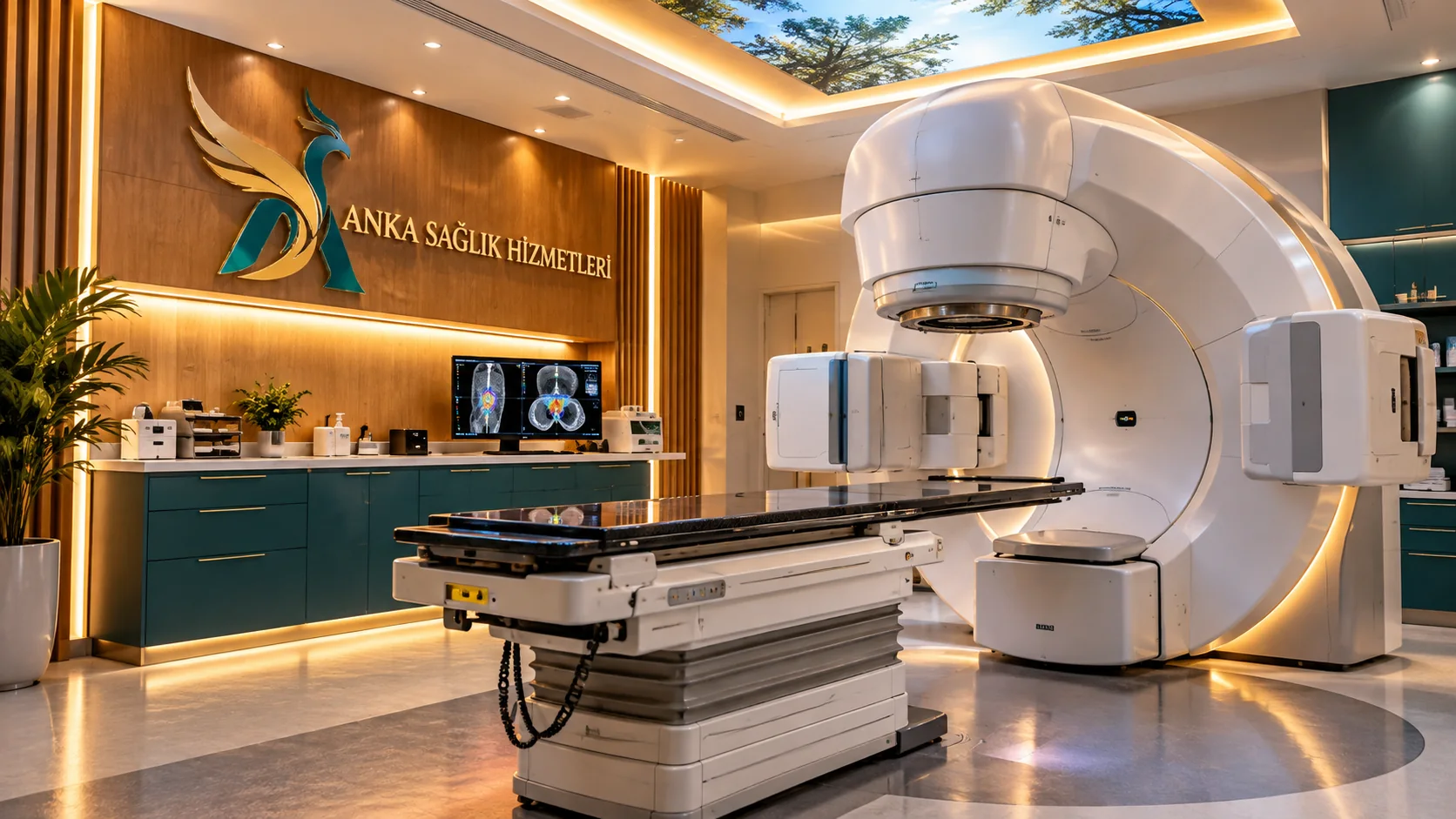
This guide focuses on the patient pathway in Ankara: referral, consultation, simulation, treatment visits and follow-up. A separate information page covers technical and medical background.
How to Start a Radiotherapy Referral in Ankara
Whether radiation is suitable cannot be decided from a website or equipment photograph. A radiation oncologist reviews pathology, staging, surgery, medications and recent imaging, sometimes in a multidisciplinary meeting.
You may enquire through Anka Sağlık Hizmetleri. This page does not claim a specific hospital, machine, clinician or confirmed appointment; ask for provider and authorization details in writing.
- 1.Initial enquiry
Identify the referring clinician and diagnosis documents.
- 2.Record review
Review pathology, stage, imaging and previous treatment.
- 3.Specialist consultation
Discuss goals, alternatives and risks.
- 4.Simulation and planning
Define targets and prepare an individualized dose plan.
- 5.Quality assurance and fractions
Complete plan checks and attend scheduled sessions.
- 6.Follow-up
Monitor adverse effects and response.
Records to Bring to Your First Radiation-Oncology Visit
Complete records may reduce repeated questions, but do not guarantee same-day treatment. When possible bring actual digital images as well as radiology reports.
- Pathology and biopsy reports with diagnosis dates
- Recent CT, MRI, PET/CT reports and image data
- Surgery notes, discharge summaries and treatment history
- Medication list, allergies and implanted-device details
- Prior radiation fields, dose and fractions if treated before
- Insurance authorization and referral paperwork when relevant
Eligibility and Alternative Treatment Decisions
Radiotherapy may have different goals for breast, prostate, lung, brain, head/neck and gynecologic cancers. Some plans aim for cure, while others relieve pain, compression or bleeding. Surgery, medicines and observation can be alternatives or adjuncts.
Pregnancy possibility, prior irradiation, pacemakers and serious conditions should be addressed at the outset.
Ten Questions for Your Radiation Oncologist
- Is the goal cure, disease control or symptom relief?
- Why radiotherapy rather than other options?
- Which technique will be used and why?
- How many fractions and on what schedule?
- What structures are targeted and which organs protected?
- What short- and long-term risks matter for me?
- What preparation or medication changes apply?
- How might work, travel or caregiving be affected?
- How and when will response be assessed?
- Can I receive a written cost and coverage breakdown?
Simulation, Immobilization and Planning Appointments
For most external beam plans, a simulation CT is taken in treatment position. The oncologist defines targets and organs at risk, and medical physics staff calculate and verify the plan.
A thermoplastic mask may be used for head and neck targets. Other immobilization, breath-hold or bladder/bowel protocols depend on the treatment site and are not universal.
| Stage / topic | What patients should know |
|---|---|
| Consultation | Review treatment goals and individual risks |
| Simulation | Acquire images in reproducible position |
| Contouring | Outline targets and sensitive organs |
| Dose plan and checks | Calculate, verify and approve the plan |
| First fraction | Verify position and deliver radiation |
What Happens During the First Radiation Session?
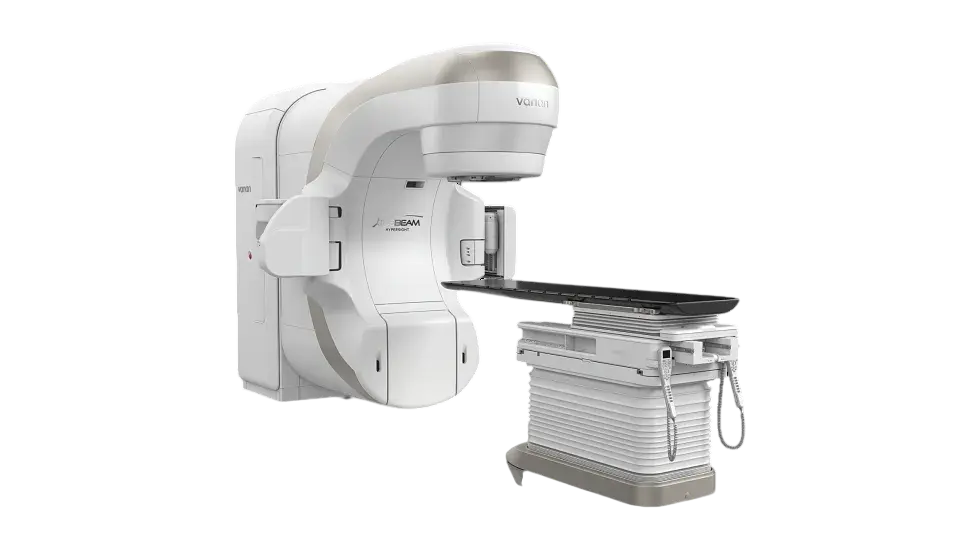
The team positions the patient, verifies setup with imaging and delivers the planned radiation. External beam delivery is usually not felt; staff monitor and communicate from the adjacent control area. Report discomfort promptly.
Radiotherapy Schedules and Number of Visits
Courses can range from a single fraction to several weeks. Five weekday sessions is common, but hypofractionated and stereotactic schedules differ. Appointment time is not the same as beam-on time.
Do not change doses or scheduling on your own. Notify the treating team promptly so they can decide how to manage the interruption.
Daily Preparation and Travel Checklist
- Wear comfortable clothes that are easy to remove.
- Follow any individualized bladder, bowel, fasting or breath-hold instructions.
- Do not remove treatment marks; notify staff if they fade.
- Do not stop regular medicines without medical advice.
- Allow travel and check-in time if commuting long distances.
- Tell the care team about new severe symptoms before the visit.
Side-Effect Monitoring and Support During Treatment
Effects can include fatigue, skin changes, swallowing, bowel or urinary symptoms depending on treatment site. Support from nurses or nutrition specialists may be useful.
Seek urgent care for high fever with serious illness, severe breathlessness, chest pain, uncontrolled bleeding or altered consciousness. Report worsening adverse effects promptly.
Aftercare and Follow-up After Radiotherapy
External-beam radiotherapy does not make patients radioactive. Some side effects may peak after treatment and later improve, while late effects need longer monitoring. Brachytherapy and systemic radionuclide care have different precautions.
Follow-up timing depends on diagnosis, goals and other treatments. Response is assessed over time, rather than as an immediate test result.
Radiotherapy, Chemotherapy, Surgery and Lu-177 Compared
Radiotherapy usually targets a defined field. Chemotherapy may act systemically, surgery removes tissue and Lu-177 radioligand therapy uses a targeted radiopharmaceutical. The best option depends on the individual diagnosis.
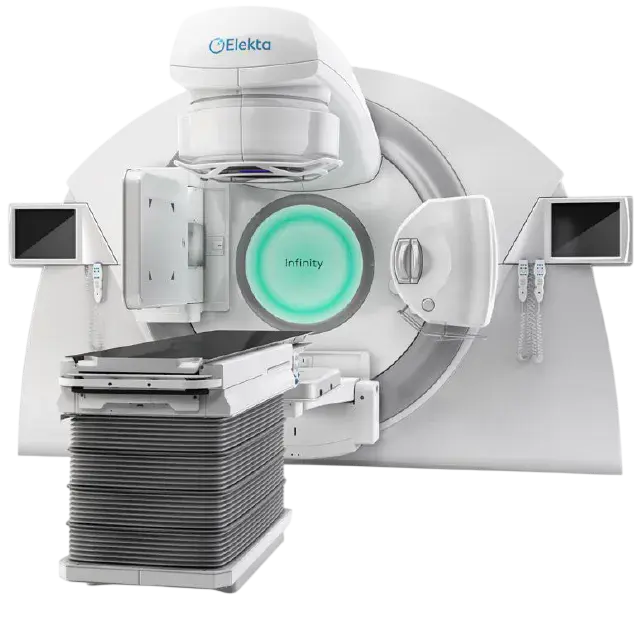
For a more detailed explanation of IMRT, VMAT, IGRT, SBRT and brachytherapy, read our technical radiation therapy guide.
Read the technical radiotherapy guide →
Radiotherapy in Ankara: Confirming the Actual Provider
Radiotherapy in Ankara is delivered at appropriately authorized centers with radiation oncology and medical physics support. Brand images do not establish equipment inventory, licensing or appointment capacity. Verify the actual facility and service before booking.
Patients traveling from nearby provinces should plan transport, lodging and assistance around repeated fractions where relevant.
Radiotherapy Costs, Insurance and Written Estimates
Costs depend on consultation, simulation, dose planning, fractions, image guidance, provider and insurance. Confirm public/private insurer arrangements, preauthorization and any additional charges.
| Stage / topic | What patients should know |
|---|---|
| Consultation | Does the quote include initial and multidisciplinary assessment? |
| Simulation/planning | Are planning CT, immobilization and physics included? |
| Treatment fractions | How many fractions and what image verification are covered? |
| Follow-up | Are on-treatment and follow-up visits included? |
| Additional expenses | Are there tests, imaging, travel, lodging or insurance extras? |
Ask About Radiotherapy in Ankara
Ask about eligibility, the actual facility, appointments and insurance. This page does not automatically confirm any treatment booking.
Contact and enquire →Frequently Asked Questions: The Radiotherapy Treatment Journey
What is the first step to radiotherapy in Ankara?
A radiation oncologist must review diagnosis, stage and records. An enquiry alone does not establish suitability.
Does contacting ANKA mean treatment is booked?
No. This page is for information and enquiries. The provider, specialist and actual availability must be confirmed.
Which documents should I prepare?
Pathology, surgery notes, staging, scan images, medication list, treatment summary and past radiotherapy plans may be needed.
Who decides if I am eligible?
A radiation oncologist evaluates disease, previous treatment and overall health, sometimes with multidisciplinary review.
Will radiation start at my first appointment?
Usually consultation and planning come first; urgent scenarios may follow a different pathway.
Can consultation and simulation be on the same day?
It depends on the facility, completed tests and clinical need, and cannot be guaranteed.
Why is a planning CT needed?
It helps define the treatment position, target and organs to protect, and supports dose planning.
Does everyone need a radiotherapy mask?
No. Masks may be used for head/neck or certain brain targets, whereas other areas use different supports.
Should I stop my regular medicines?
Share your medication list. Do not discontinue anticoagulants or any medicine without medical instructions.
Is fasting needed before radiotherapy?
Not universally. Sedation, brachytherapy or certain abdominal/pelvic protocols may require specific preparation.
Who needs a full bladder?
Some pelvic and prostate plans require bladder or bowel preparation, but there is no universal protocol.
How soon after simulation does therapy begin?
Treatment starts after contouring, dose calculation, quality assurance and scheduling; timing varies.
Should I choose IMRT or VMAT?
The oncology and physics team choose based on anatomy, dosimetry and plan quality.
How long should I allow for each visit?
Allow time for setup, imaging and radiation delivery; duration varies by plan.
Is radiation given every day?
Many external-beam courses run on weekdays, but schedules range from one session to longer courses.
Does radiation burn or hurt during delivery?
The beam is usually not felt; positioning or existing symptoms may cause discomfort.
What if I miss or delay a session?
Contact the treating team promptly. Only they should adjust or compensate for missed sessions.
How can patients traveling to Ankara plan a course?
Confirm the number of visits, travel, accommodation and support requirements in advance.
Can I continue working during radiotherapy?
Some patients keep working, while fatigue or appointments can require changes.
Can I be near children at home?
External-beam radiotherapy does not make a patient radioactive; internal or systemic treatments may have different precautions.
How should I care for skin during therapy?
Gentle washing and approved moisturizers can help; do not rub or remove treatment marks.
How long does fatigue last?
Fatigue may build during treatment and persist afterward; duration varies widely.
Which symptoms should I report?
Report poor intake, significant skin breakdown, swallowing problems, severe diarrhea or urinary symptoms.
Which symptoms require emergency care?
Seek urgent care for severe breathlessness, chest pain, uncontrolled bleeding or confusion.
Are results known immediately after the last fraction?
No. Responses evolve over time and are checked clinically with imaging when indicated.
When is the first follow-up appointment?
The team sets an individualized schedule based on cancer type, goal and adverse effects.
Can the same area receive more radiotherapy?
Sometimes, but prior doses and organ tolerance require careful review.
Does public insurance cover radiotherapy?
Coverage depends on indication, provider agreements and current reimbursement rules; verify ahead of time.
Why do radiotherapy costs vary?
Planning, technique, fractions, imaging, provider and insurance can affect the total.
What should a radiotherapy quote include?
Ask for an itemized quote covering consultation, simulation, planning, fractions, image guidance and follow-up.
How can I verify the equipment used in Ankara?
Confirm the facility, machine model, available techniques and clinician before booking.
Can I request a second opinion?
Yes. You can ask another radiation oncologist to review pathology, imaging and the proposed plan.
How does this differ from the nuclear medicine radiotherapy page?
This page emphasizes treatment journey, planning, logistics and costs; the nuclear medicine page is a detailed technical guide.
International References
- National Cancer Institute
- American Cancer Society
- British Institute of Radiology
- International Atomic Energy Agency
- Irish Cancer Society
- Worldwide Cancer Research
- NCI — External Beam Radiation Therapy
- NCI — Radiation Therapy
- NHS — Radiotherapy
- NHS — Radiotherapy Side Effects
Educational content only.