
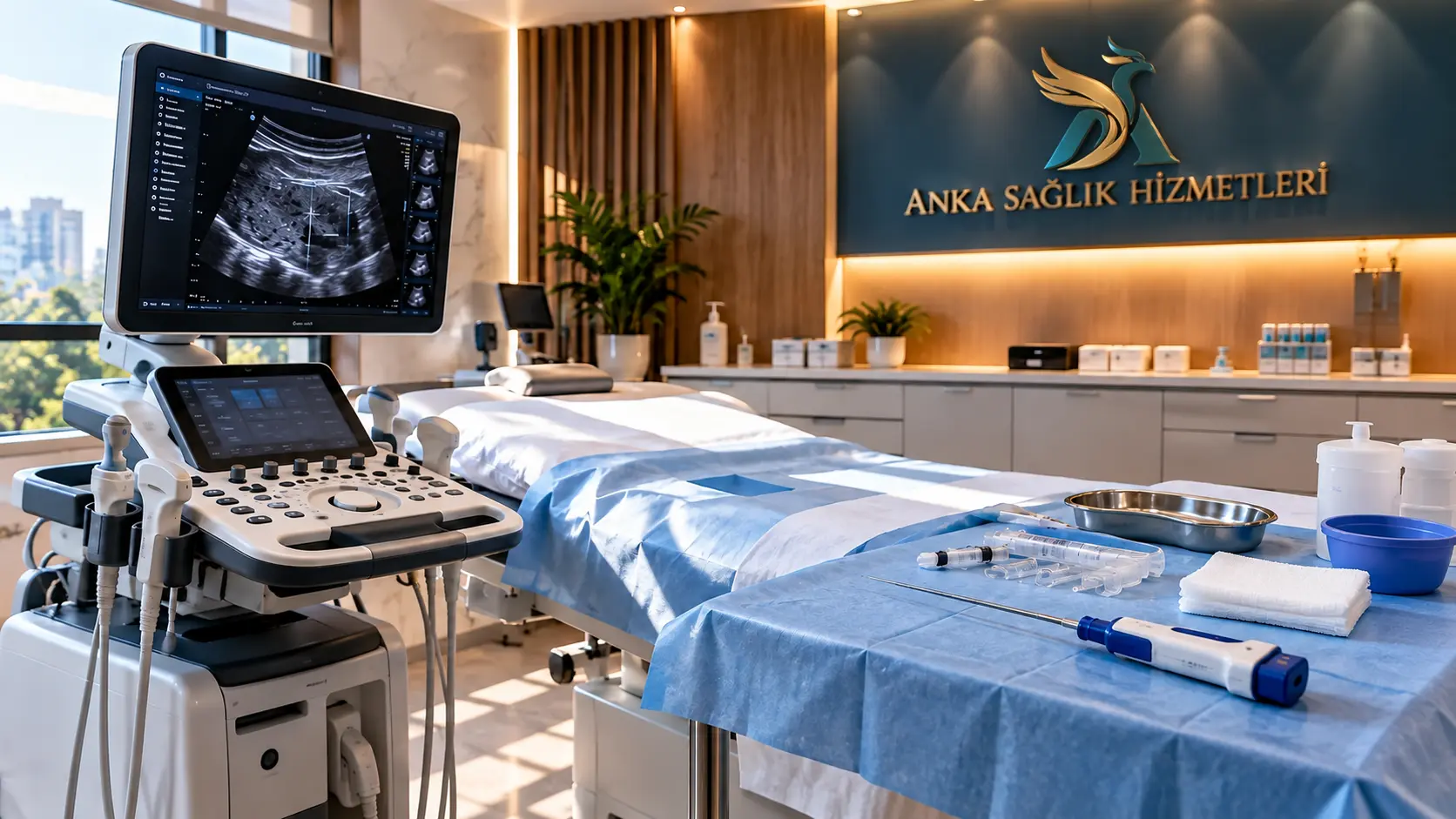
What Is a Biopsy and Why Is It Done?
A biopsy collects cells or tissue from an organ or suspicious finding so a pathologist can examine it under the microscope and, where needed, with further tests. Imaging on its own is not a biopsy.
Being referred for biopsy does not mean you have cancer. Pathology findings should be reviewed with the referring clinician.
Confirming cancer is a familiar use, but biopsy can also investigate infection, inflammation, liver and kidney disease or hematologic disorders. Not every mass is cancer and not every abnormal image must be biopsied.
Why Would a Doctor Request a Biopsy?
A biopsy request is generally based on examination, ultrasound, mammography, MRI, CT, blood tests or follow-up findings. The clinical question may involve disease type, inflammation or biomarkers relevant to treatment.
- Characterizing breast, thyroid, lymph node or soft tissue findings.
- Investigating selected lung, liver, kidney, bone or other lesions.
- Determining whether cancer is present and which biomarkers may guide care.
- Evaluating inflammatory, infectious, kidney or liver parenchymal diseases.
Types of Biopsy: FNA, Core, Surgical and Endoscopic
Biopsies differ by how the sample is taken. FNA commonly collects cells or fluid; core needle sampling obtains tissue cylinders. Punch biopsy is used for skin, endoscopy for certain internal surfaces, and surgical biopsy can remove part or all of a lesion.
The term Tru-Cut is commonly used for core needle sampling. Core biopsy and FNA are not identical; selection depends on what tissue information is needed.
| Method | Sample | Use / feature |
|---|---|---|
| Fine needle aspiration | Cells / fluid | Thyroid, lymph nodes, cystic findings |
| Core needle | Tissue cores | Breast and many organ lesions |
| Vacuum assisted | Multiple tissue cores | Selected breast findings |
| Surgical / excisional | Part or whole lesion | Where clinically indicated |
Ultrasound-, CT-, MRI- and Mammography-Guided Biopsy
Image guidance helps direct the needle toward the target. Ultrasound provides real-time, non-ionizing guidance for visible lesions; CT may be suitable for deep lung or bone targets but uses X-rays.
Mammography-guided stereotactic biopsy can target findings such as calcifications visible on mammography; MRI guidance may target selected breast findings visible only with MRI. Choice depends on visibility, safe access and expertise.
Ultrasound and MRI guidance do not use ionizing X-rays; CT and mammography guidance do. Choice should prioritize safe, accurate access to the target.
Which Body Areas May Be Biopsied?
Biopsy is not a single uniform procedure. Thyroid FNA, lung, kidney and liver biopsies differ in preparation, anesthesia, risk and observation. These are general medical applications, not a promise that every subtype is offered by this provider.
How Is a Biopsy Performed?
Before biopsy, the team reviews the referral, imaging, medical history and bleeding risk. They select guidance, sterile technique and pain control, obtain the sample and send it correctly labeled for pathology.
Many percutaneous needle biopsies use local anesthetic; some need sedation or other anesthesia. Pressure or sampling-device sounds may be noticed. Timing, needle passes and anesthesia vary.
- 1PlanningReview referral, imaging, medicines and consent.
- 2Sterile preparationThe site is cleaned; local anesthesia may be administered.
- 3SamplingCells or tissue are collected with appropriate guidance.
- 4MonitoringThe site is checked; pressure, dressing and observation vary.
- 5PathologyThe sample is sent to the laboratory with correct handling.
Before Biopsy: Fasting, Medicines and Tests
Preparation starts with confirming the exact procedure. Thyroid FNA often needs little preparation, whereas lung, liver, kidney or sedated biopsies can need extra checks or fasting. Blood-test requirements vary.
Always disclose anticoagulants, aspirin, diabetes medicines, supplements, allergies, bleeding history, pregnancy and implants. Never stop or change blood-thinning drugs without clinician guidance.
Blood thinners
Do not stop on your own; report drug and dosing.
Fasting / sedation
Not always required; follow your given instructions.
Blood tests
Platelet and coagulation tests may be requested.
Prior imaging
Bring referrals, reports and previous images.
Allergies / pregnancy
Disclose allergies and possible pregnancy.
Escort / transport
Sedation or organ biopsy may require an escort.
Does a Biopsy Hurt? Local Anesthesia and Sedation
Local anesthetic may briefly sting; once numb, pressure or pulling is more typical. Deep organ and surgical procedures require different strategies. Report severe pain immediately.
Sedation or general anesthesia changes fasting, transport and escort instructions. Ask for written guidance appropriate to the medications used.
How Long Does a Biopsy Take? Is It Same-Day?
Some superficial FNA procedures may take about 15–30 minutes; deep-organ or image-guided sampling may take longer. Registration, preparation, anesthesia and observation are additional.
Many patients go home the same day, but kidney, liver and lung biopsies may require extended observation or admission. Ask for total time at the facility, not only sampling time.
Biopsy Risks and Possible Side Effects
Biopsy is clinically valuable but not risk-free. Soreness and bruising are common minor issues; bleeding, infection, adjacent-structure injury or inadequate sampling are possible. Risk varies with the organ and method.
Lung needle biopsy can cause pneumothorax and occasionally require a chest drain. Liver and kidney biopsies need attention to bleeding. The clinician should explain your site-specific risks and urgent warning signs.
Call emergency services for uncontrolled bleeding, fainting, severe breathlessness, chest pain or sudden deterioration. These are not routine after-effects.
Aftercare Following Biopsy
Dressing care, exercise, bathing, restarting medications and returning to work all vary by site. Superficial biopsy may leave mild soreness; deeper biopsies may need more rest and observation. Follow discharge instructions.
Seek urgent help for uncontrolled bleeding, fainting, serious breathlessness, chest pain, rapidly increasing swelling or severe deterioration. Contact the care team promptly for fever, discharge or worsening pain.
Before discharge, clarify dressing and shower advice, pain relief, restarting medicines, activity limits, emergency contact and who will explain pathology results.
How Are Biopsy and Pathology Results Interpreted?
A pathologist evaluates cells and tissue. The report can describe the specimen, microscopic findings, diagnosis and additional immunohistochemical or molecular tests. Benign means noncancerous; malignant means cancerous.
Terms such as atypia, suspicious, inadequate or nondiagnostic require context. Discordance between imaging and pathology can prompt further sampling. Review the final report with your referring clinician.
| Report term | General meaning |
|---|---|
| Benign | Noncancerous |
| Malignant | Cancerous |
| Atypia / suspicious | May need further assessment or sampling |
| Inadequate / nondiagnostic | Insufficient to diagnose |
What Determines the Cost of a Biopsy?
Biopsy costs depend on the organ, FNA versus core sampling, imaging guidance, anesthesia, observation and pathology. Special stains or molecular testing can add costs.
Verify current fees, insurance arrangements and what is included with the facility and insurer. This page does not promise an unverified package price or coverage.
Biopsy vs Cytology, Pathology, MRI and PET-CT
Biopsy obtains the sample; cytology examines cells and histopathology examines tissue. Ultrasound, CT, MRI and PET-CT may identify or guide a target but do not always replace cellular or tissue diagnosis.
Some cysts, nodules or liver findings can be followed or characterized on imaging alone. Whether to biopsy, and the possibility of false-negative sampling, should be discussed in shared decision-making.
Alternatives and When a Repeat Biopsy May Be Needed
Alternatives are not always diagnostically equivalent. Follow-up ultrasound, MRI, CT, mammography, endoscopy or blood tests may be options, but some treatment decisions require tissue.
If the result is inadequate, unrepresentative or discordant with imaging, a repeat needle biopsy or surgical sampling may be considered.
Where Is Biopsy Performed in Ankara? Appointments and Nearby Provinces
In Ankara, biopsies take place in appropriately authorized hospitals, interventional radiology services, surgical or other relevant specialist units. When seeking appointments, the target organ and requested sampling technique matter most.
You can contact Anka Sağlık Hizmetleri to request information or an appointment. The actual procedure site, specialist, method, pathology laboratory, fees and insurance terms must be confirmed before scheduling.
Visitors from Kırıkkale, Çankırı, Kırşehir, Eskişehir, Bolu, Konya and surrounding provinces should clarify post-procedure observation, escort, transport, dressings and pathology timing before traveling.
Request Biopsy Information in Ankara
Share the target organ, requested technique, previous imaging and medications. Confirm the facility, fees, preparation and pathology process.
Contact / Appointment Form☎ 0538 350 74 45Frequently Asked Questions About Biopsy
Find practical answers about procedure choices, discomfort, safety, medicines, pathology, pricing and Ankara appointments. These are general explanations and cannot replace individualized care.
What is a biopsy and why is it performed?
A biopsy removes cells or tissue for laboratory examination. It may investigate suspected cancer as well as inflammation, infection or other diseases.
Does needing a biopsy mean I have cancer?
No. A biopsy investigates an uncertain finding. Results can be benign, malignant, inflammatory or nondiagnostic; they must be interpreted in clinical context.
How long does a biopsy take in Ankara?
A superficial fine-needle biopsy may take about 15–30 minutes, while core biopsies, CT guidance, sedation and observation can take longer. Timing depends on the procedure.
Is a biopsy painful?
Many needle biopsies use local anesthetic. You may feel a brief sting from the injection, followed by pressure. Pain control varies with the site and technique.
What is fine-needle aspiration (FNA)?
FNA uses a thin needle to collect cells or fluid, often from thyroid nodules or selected lymph nodes. Cytology does not always show tissue architecture.
What is a core (Tru-Cut) biopsy?
Core biopsy uses a larger needle to remove a small cylinder of tissue, which may allow examination of tissue architecture and additional pathology tests.
How does FNA differ from core biopsy?
FNA usually collects cells; core biopsy collects tissue cylinders. Their diagnostic value and risks differ by organ, suspected disease and sample quality.
How does ultrasound-guided biopsy work?
The clinician tracks the target with real-time ultrasound, prepares the site sterilely and samples it with appropriate anesthesia. Ultrasound uses no ionizing X-rays.
Why might CT-guided biopsy be chosen?
CT may help guide a needle to deep or poorly ultrasound-visible lung, bone or abdominal targets. CT guidance uses ionizing X-rays.
Can a biopsy be guided by MRI?
MRI-guided biopsy can be used for selected breast findings. Availability depends on specialized facilities and expertise.
How is a thyroid biopsy performed?
Usually an ultrasound-guided fine needle samples thyroid cells. Not every nodule needs biopsy; size, ultrasound features and clinical context guide the decision.
When might a breast biopsy be requested?
Suspicious findings on examination, ultrasound, mammography or MRI can prompt biopsy. Guidance depends on where the finding is visible.
Can a marker clip be placed after breast biopsy?
A small marker clip may be placed to locate a sampled breast area later. It is not necessary in every case.
What does a lymph node biopsy investigate?
It can investigate reactive, infectious, inflammatory or tumor-related enlargement. Suspected lymphoma sometimes requires enough tissue to assess architecture.
Is a lung biopsy risky?
Needle lung biopsy may cause bleeding, coughing blood or pneumothorax. Risk varies by lesion and patient, and observation may be needed.
Why might liver biopsy be performed?
Liver biopsy can investigate selected masses, inflammation or fibrosis. Not every liver lesion requires biopsy; imaging and clinical findings can sometimes suffice.
Is observation needed after kidney biopsy?
Observation may be required because bleeding can occur; clinicians may monitor blood pressure, urine and overall condition.
How is prostate biopsy planned?
The decision considers PSA, examination, prostate MRI and clinical findings. The specialist chooses transperineal or transrectal access and infection precautions.
Are bone and bone marrow biopsies the same?
No. Bone lesion biopsy targets an abnormality in bone; bone marrow biopsy assesses blood-forming marrow and uses a different pathway.
Do I need to fast before biopsy?
Not all biopsies require fasting. Sedation, general anesthesia or some deep procedures may need fasting; follow your own team’s instructions.
Can people taking blood thinners have a biopsy?
Tell the team about aspirin, warfarin, apixaban and other antiplatelet/anticoagulant medicines. Never stop them on your own; bleeding and clotting risks must both be weighed.
Which blood tests are needed before biopsy?
Depending on procedure and history, blood count, platelets, coagulation or kidney tests may be ordered. There is no universal test panel.
Can a biopsy be performed during pregnancy?
During pregnancy, specialists weigh timing, target and imaging guidance. Always disclose pregnancy before CT or X-ray-guided procedures.
Can a biopsy cause infection?
Procedures that cross the skin carry a small infection risk. Seek advice for fever, worsening redness, warmth, swelling or drainage.
Can a biopsy cause bleeding?
Minor bruising can occur. Serious bleeding is less common but possible, particularly after organ biopsies. Uncontrolled bleeding, fainting or worsening pain requires urgent assessment.
Does biopsy spread cancer?
Biopsy does not generally cause cancer to spread. Needle-tract seeding is a rare, context-specific consideration for certain tumors and should be discussed with the treating team.
How long does soreness last after biopsy?
Mild soreness after superficial biopsy often improves soon, while deeper or surgical procedures differ. Worsening or severe pain needs medical assessment.
Can I shower after biopsy?
Dressing care and shower timing depend on the procedure. Follow your discharge advice and avoid disturbing the site.
Can I work or exercise after biopsy?
Many minor biopsies permit a relatively quick return to normal activity; heavy exercise, driving and work restrictions depend on the site and sedation.
How long do biopsy results take?
Results may take days, one to two weeks, or longer when special staining or molecular testing is needed. Ask the laboratory or provider for an estimate.
What do benign, malignant and inadequate sample mean?
Benign means noncancerous, malignant means cancerous, and an inadequate sample does not provide enough information for a diagnosis; re-sampling may be needed.
Does a negative biopsy rule out disease completely?
Not always. Sampling error or imaging–pathology discordance can require repeat imaging, follow-up or another biopsy.
Can MRI or PET-CT replace a biopsy?
Imaging can characterize suspicious findings but often cannot replace tissue diagnosis. Some lesions do not require biopsy; the decision depends on clinical context.
What if the biopsy shows cancer?
The treating team integrates pathology, biomarkers, imaging and examinations to plan care. One biopsy report alone may not establish stage.
How much does a biopsy cost in Ankara?
Fees vary by site, method, imaging, sedation, pathology and additional tests. Ask for a verified total price and included services.
Does insurance cover biopsy?
Coverage varies with medical indication, provider contracts, pathology and insurance authorization. Confirm before scheduling.
Where can I get a biopsy in Ankara?
Biopsies are performed at appropriately authorized hospitals and specialist or interventional radiology units. You may inquire through Anka Sağlık Hizmetleri; confirm the actual facility, procedure and specialist availability.
Can patients outside Ankara request biopsy appointments?
If traveling from nearby provinces, confirm the actual site, preparation, escort, observation and reporting process before travel.
When should I seek emergency help after a biopsy?
Seek urgent emergency help for heavy bleeding, fainting, breathing difficulty, chest pain, rapidly growing swelling or sudden deterioration. Contact your care team for worsening fever or local inflammation.
Could a biopsy need to be repeated?
A biopsy may need repeating if the sample is insufficient, unrepresentative or discordant with imaging findings.
Who interprets biopsy results?
A pathologist interprets the specimen and any needed tests; the referring clinician explains the implications and next steps.
Does every thyroid nodule need a biopsy?
No. Ultrasound appearance, size, risk stratification and clinical circumstances determine whether follow-up or FNA is appropriate.
Are antibiotics needed before biopsy?
Antibiotics are not used for every biopsy. Preventive treatment varies by site and approach and should be decided by the clinical team.
International Medical References
- National Cancer Institute (NCI) — How Cancer Is Diagnosed
- National Cancer Institute (NCI) — Definition of Biopsy
- National Cancer Institute (NCI) — Understanding Pathology Reports
- NHS — Biopsy: What Happens
- ACR / RSNA — Biopsy Overview
- ACR / RSNA — Ultrasound-Guided Thyroid Biopsy
- ACR / RSNA — Ultrasound-Guided Breast Biopsy
- ACR / RSNA — Stereotactic Breast Biopsy
- ACR / RSNA — MRI-Guided Breast Biopsy
- ACR / RSNA — Needle Biopsy of the Lung
- ACR / RSNA — Liver Biopsy
- ACR / RSNA — Kidney Biopsy
- NCI — Breast Cancer Diagnosis and Biopsy